TV Unit Interiors · Dwarka, Delhi
TV Unit Design in Dwarka
A well-planned TV unit should do more than frame the television. It can organise media equipment, provide useful storage, manage cables and create a strong visual anchor for the living room while keeping the overall space balanced.
Start With The Wall
Design the TV unit around the room, not just the television.
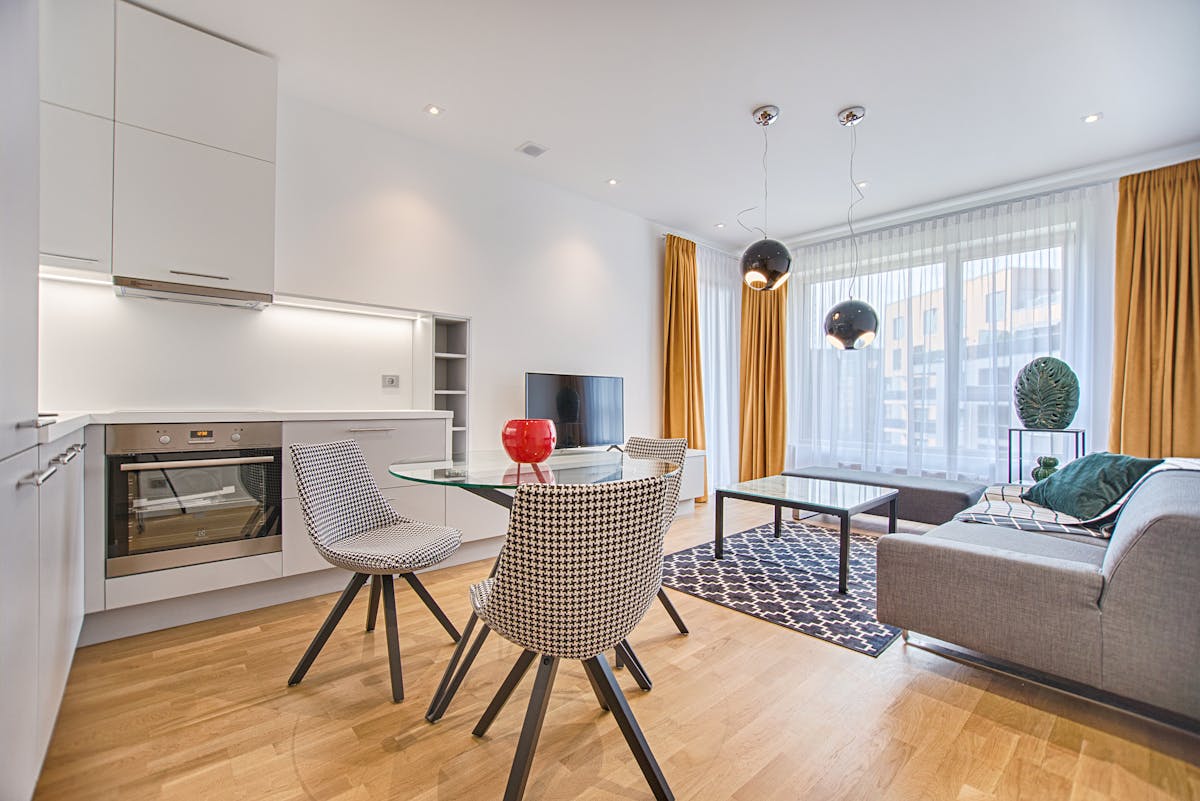
TV unit design is part of the wider living room layout. The wall needs to accommodate the television, viewing position, furniture, circulation, electrical points, equipment and storage without becoming visually heavy.
In many Dwarka apartments, the TV wall is one of the main visual elements of the living room. Proportion, material selection, concealed storage and clean cable planning can therefore have a significant effect on how the entire room feels.
01 · Space Planning
Start with the TV wall, viewing position and circulation.
TV Position
The television should be positioned in relation to the main seating arrangement, wall dimensions and comfortable viewing. Avoid designing the cabinet first and forcing the screen into it.
Wall Width
The width available determines whether a simple panel, floating console, full-width unit or a more substantial storage composition will work comfortably.
Viewing Distance
Seating and screen position should be considered together. The final arrangement should suit the room rather than follow an arbitrary cabinet dimension.
Circulation
Avoid extending storage into important walking routes. The TV furniture should remain visually and physically comfortable within the living room.
Equipment
Plan for the actual devices used in the home, such as a set-top box, gaming console, speakers or streaming equipment.
Future Access
Concealed wiring should still allow maintenance and replacement of equipment. Avoid permanently sealing areas that may need access.
02 · TV Unit Styles
Choose a TV unit configuration according to your living room.
Floating TV Unit
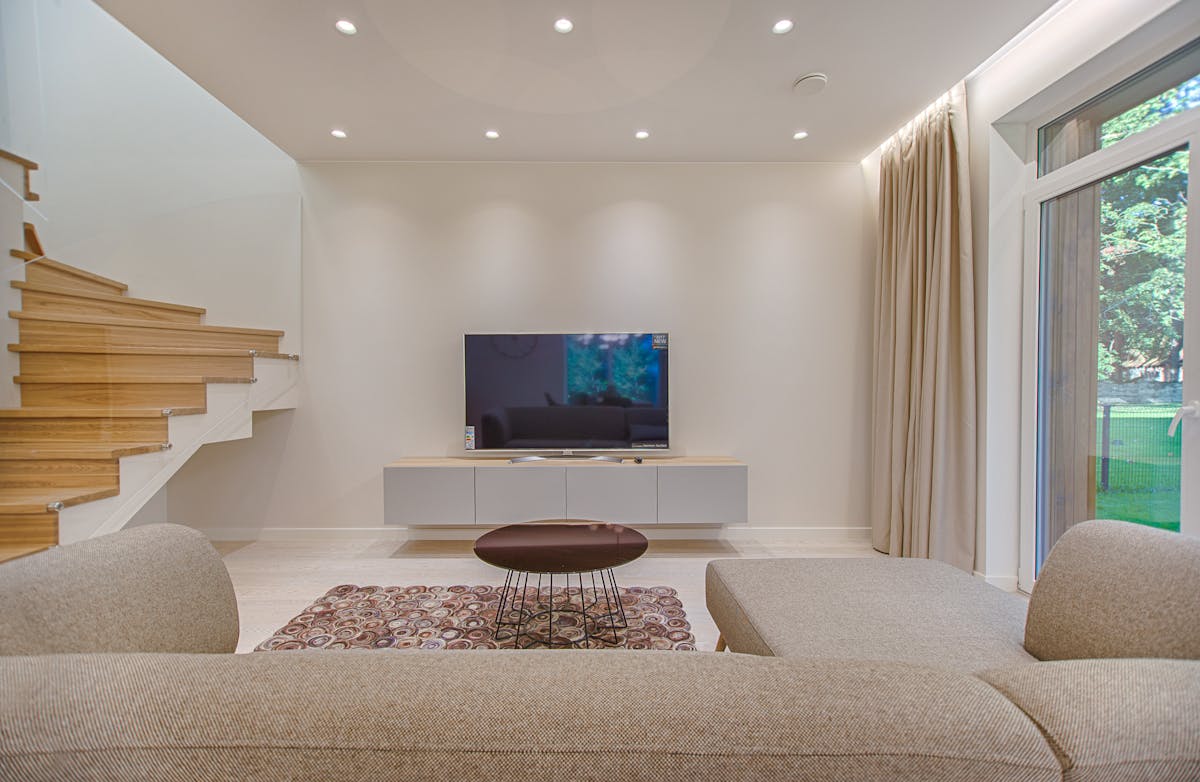
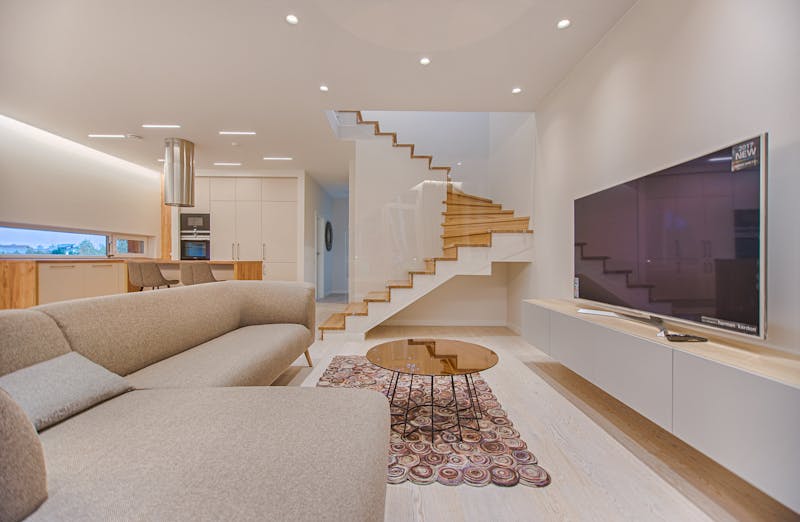
A wall-mounted lower cabinet can create a lighter visual appearance and leave more visible floor area underneath.
Full TV Wall
A complete wall composition can combine the TV panel, storage, display niches and concealed cabinets where sufficient space is available.
Panel + Console
A focused TV panel combined with a low console provides a clean composition without filling the complete wall with cabinetry.
Storage TV Unit
Where living room storage is limited, the TV wall can incorporate closed cabinets, drawers and selected open shelving.
03 · Storage Planning
Use the TV unit for storage only where storage is actually needed.
More cabinetry does not automatically create a better TV wall. Storage should be based on the items that belong in the living room, with concealed areas used for visual cleanliness and open areas used selectively.
Closed Cabinets
Useful for items that need to remain hidden, including accessories, documents, media items and less frequently used belongings.
Drawers
Drawers can provide convenient access for small items such as remotes, cables, controllers and other everyday accessories.
Open Shelves
Open shelves can display books, artwork and selected objects, but should be used carefully to avoid creating visual clutter.
Display Niches
A recessed or integrated niche can create a dedicated location for decorative objects without adding another freestanding unit.
04 · Materials & Finishes
The material palette can make the TV wall feel warm, minimal or luxurious.
| Finish | Visual Character | Planning Note |
|---|---|---|
| Wood-look Laminate | Warm and practical | Coordinate the tone with flooring, furniture and other wood elements. |
| Solid Colour Laminate | Clean and contemporary | Useful for restrained modern compositions and contrasting panels. |
| Veneer | Natural and refined | Specify finish and maintenance requirements clearly before execution. |
| Painted Finish | Smooth and customisable | Colour selection should work with the overall living room palette. |
| Fluted / Textured Detail | Architectural depth | Use selectively so the TV wall does not become visually overwhelming. |
| Glass / Metal Detail | Light and decorative | Use where it supports the design rather than adding unnecessary maintenance. |
05 · TV Wall Lighting
Lighting should support the TV wall rather than compete with the screen.
Backlit Panel
Concealed lighting behind or around a panel can create a subtle glow and add depth to a simple TV wall.
Warm Accent Light
Carefully controlled warm lighting can highlight niches or architectural details without making the wall visually busy.
Display Lighting
Small integrated lights can highlight selected shelves or objects where display storage forms part of the TV unit.
Ambient Room Light
The TV wall should be considered with the room’s overall lighting so that the screen does not sit against an uncomfortable or highly reflective background.
06 · Cable Management
Good TV unit design hides cables without making future access difficult.
Cable management should be planned before fabrication. Television power, internet, set-top box, sound equipment and other connections should have logical routes. The objective is a clean finished wall while retaining practical access for maintenance and upgrades.
07 · TV Unit Construction
Specify the construction details, not only the appearance.
Board Specification
The board or panel material, thickness and intended application should be clearly identified in the project specification.
Edge Treatment
Edge finishing affects durability and appearance and should be considered as part of the fabrication specification.
Hardware
Hinges, drawer channels, handles and other hardware should be specified according to the intended use.
Installation
Wall conditions, fixing method, electrical coordination and final alignment should be resolved before installation.
08 · TV Wall Design Ideas
Different compositions can create very different living room results.
Minimal Panel
A simple wall panel and compact console work well when the living room already has sufficient storage elsewhere.
Wood + Neutral
A combination of a warm wood finish and neutral wall treatment can create a balanced contemporary appearance.
Dark Accent Wall
A deeper colour or finish can visually anchor the television, particularly when surrounded by lighter walls and furniture.
Fluted Feature
Vertical texture can add architectural interest, particularly when used as a controlled section rather than across the entire wall.
Open + Closed Storage
Combining selected open shelves with concealed cabinets balances display and practical storage.
Floating Console
A wall-mounted base unit can create a visually lighter composition and make cleaning around the floor easier.
09 · Common Mistakes
What can make a TV unit look heavy or become difficult to use?
Too Much Cabinetry
Covering the entire wall with storage can make a compact living room feel smaller and visually crowded.
Poor Proportion
The TV panel, cabinet width, ceiling height and surrounding furniture should relate to one another.
Visible Cables
Cable routes that are considered only after installation can compromise an otherwise clean TV wall.
Too Many Open Shelves
Open storage requires regular organisation. Excessive shelving can quickly turn into visual clutter.
Overuse of Lighting
Too many LED strips or highly decorative lights can distract from the television and wider living room.
No Equipment Planning
A beautiful panel can become inconvenient if there is nowhere practical for routers, consoles, set-top boxes or speakers.
10 · TV Unit Checklist
Before approving the final TV unit drawing.
| Area | What to Confirm |
|---|---|
| TV | TV size, mounting method, final position and access requirements. |
| Wall | Available wall width, height, corners, doors and adjacent furniture. |
| Storage | Actual items to be stored and whether open or closed storage is required. |
| Materials | Board specification, thickness, finish, edge treatment and decorative materials. |
| Hardware | Hinges, drawer channels, handles and other functional hardware. |
| Electrical | Power points, cable routes, internet connections and equipment requirements. |
| Lighting | Any concealed, accent or display lighting and its electrical requirements. |
| Execution | Dimensions, installation responsibility, finishing and final handover requirements. |
11 · Living Room Integration
The TV wall should connect naturally with the rest of the living room.
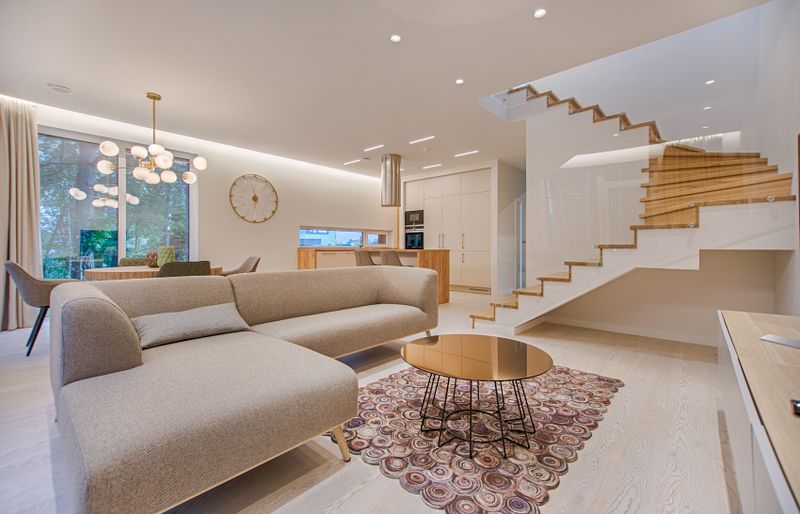
A TV unit is most successful when it is planned with the sofa, centre table, curtains, flooring, lighting, wall colours and other furniture. This prevents the TV wall from looking like a separate installation added after the living room was completed.
12 · Frequently Asked Questions
TV unit design in Dwarka: FAQs
How should a TV unit be designed?
Start with the television size, viewing position and wall dimensions. Then plan storage, equipment, cable routes, materials, lighting and decorative details around the actual living room.
What should be included in a TV unit?
Depending on the room, a TV unit can include a TV panel, floating console, drawers, closed cabinets, open shelves, display niches and dedicated space for media equipment.
Is a full wall TV unit suitable for a small living room?
It can work, but the depth, storage volume, colours and detailing should be carefully controlled. In some compact rooms, a lighter panel-and-console arrangement may be more appropriate.
What materials are used for TV units?
TV units may use engineered wood-based panels, laminates, veneers, painted finishes, glass, metal details and other specified materials. The exact construction should be documented before work begins.
How can TV cables be hidden?
Cable routes can be planned behind the TV panel or through concealed channels and dedicated equipment compartments. The design should retain suitable access for maintenance.
Can a TV unit include storage?
Yes. Drawers, cabinets and shelves can be integrated into the TV wall. The amount of storage should be based on actual living room requirements rather than simply filling the available wall.
Do you provide TV unit design in Dwarka?
Interior A to Z provides residential interior design services in Dwarka. TV unit planning can be included as part of a living room or complete home interior project, depending on the agreed scope.
Plan Your Living Room
Create a TV wall that looks refined and works every day.
From TV panel proportions and storage to materials, lighting and concealed cable management, plan the TV unit as part of the complete living room rather than as a standalone cabinet.