Master Bedroom · Dwarka
Master Bedroom Interior Design in Dwarka
A well-designed master bedroom should balance rest, storage, circulation and personal style. The right layout brings the bed, wardrobes, lighting, furniture and finishes together without making the room feel crowded.
Start with the room’s dimensions, door and window positions, bed size and circulation. Then plan wardrobe capacity, bedside storage, lighting, dressing or study requirements, materials and finishes around those constraints.
01 · The starting point
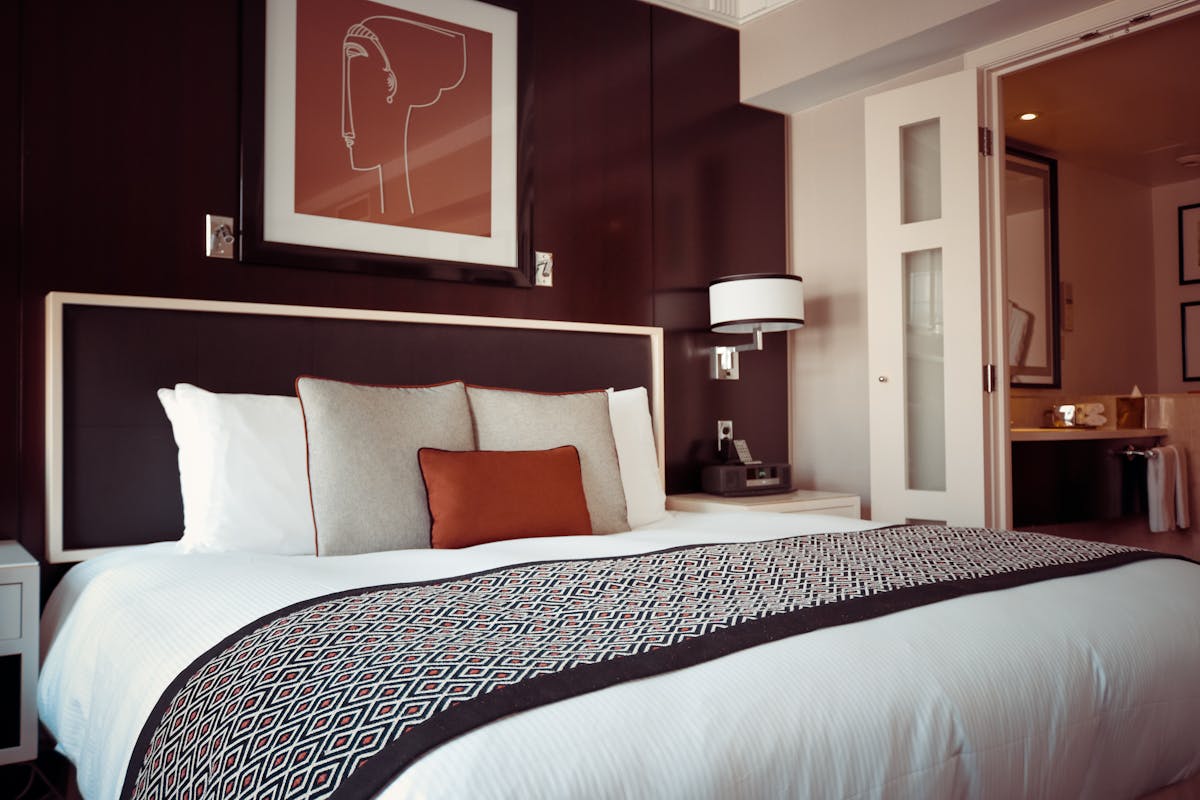
The best master bedroom design starts with the plan, not the decoration.
A master bedroom has to perform several functions at once. It needs a comfortable sleeping zone, accessible clothing storage, bedside surfaces, practical lighting and enough clear floor area for everyday movement.
In Dwarka apartments and builder floors, the room dimensions and existing architectural layout can vary significantly. A useful design therefore adapts the furniture and storage to the actual room instead of forcing a fixed arrangement.
02 · Space planning
Plan circulation before selecting furniture.
The bedroom should allow comfortable movement between the entrance, bed, wardrobe, windows and attached spaces. Exact clearances should be verified from the measured room rather than copied from a generic plan.
Measure first
Record room length and width, ceiling height, doors, windows, columns, beams, electrical points and other fixed elements.
Place the bed
Establish the main furniture position before designing wardrobes, bedside tables and decorative elements.
Protect circulation
Keep the primary movement path comfortable and avoid oversized furniture that restricts doors or wardrobe access.
Plan storage
Use the available walls efficiently while keeping wardrobe doors, drawers and windows functional.
Plan services
Coordinate switches, sockets, bedside charging, TV points, lighting and air-conditioning requirements with the furniture layout.
Keep visual balance
Large wardrobes and the bed wall should work together rather than making one side of the room visually heavy.
03 · Bed wall
Make the bed wall the visual anchor of the room.
The bed wall usually becomes the strongest visual element in a master bedroom. It can remain simple or combine upholstery, wood tones, wall panelling, lighting and restrained decoration.
04 · Master bedroom wardrobe
Design the wardrobe around what you actually store.
A beautiful wardrobe is still inefficient if its internal layout does not match the owner’s clothing and storage habits. Divide the interior into functional zones before finalising the exterior.
| Storage zone | Useful for | Planning consideration |
|---|---|---|
| Long hanging | Dresses, coats and long garments | Provide sufficient vertical hanging space. |
| Short hanging | Shirts, trousers and everyday clothing | Can be arranged in efficient double-hanging sections. |
| Folded storage | T-shirts, knitwear and casual clothing | Adjust shelf spacing to the actual items. |
| Drawers | Accessories, smaller clothing and personal items | Place them where they are easy to access. |
| Luggage / seasonal | Suitcases, blankets and occasional-use items | Lofts or dedicated high-level storage can be useful. |
| Accessories | Watches, jewellery, belts and smaller items | Use dedicated organisers where they provide genuine value. |
05 · Beyond the wardrobe
Master bedroom storage should not all look like cabinets.
Bedside storage
Use compact drawers, shelves or integrated side tables for books, charging devices and everyday items.
Bed storage
Where appropriate, hydraulic or drawer-based storage can hold less frequently used belongings.
Dresser
A compact dresser can combine grooming, storage and a mirror without requiring a separate large furniture piece.
TV / media unit
If a television is required, integrate cables and storage instead of allowing wires to dominate the wall.
Window-side storage
A low console or seating element can use otherwise underutilised space without blocking natural light.
Seasonal storage
High-level storage can be reserved for luggage, blankets and items that are not required every day.
06 · Bedroom lighting
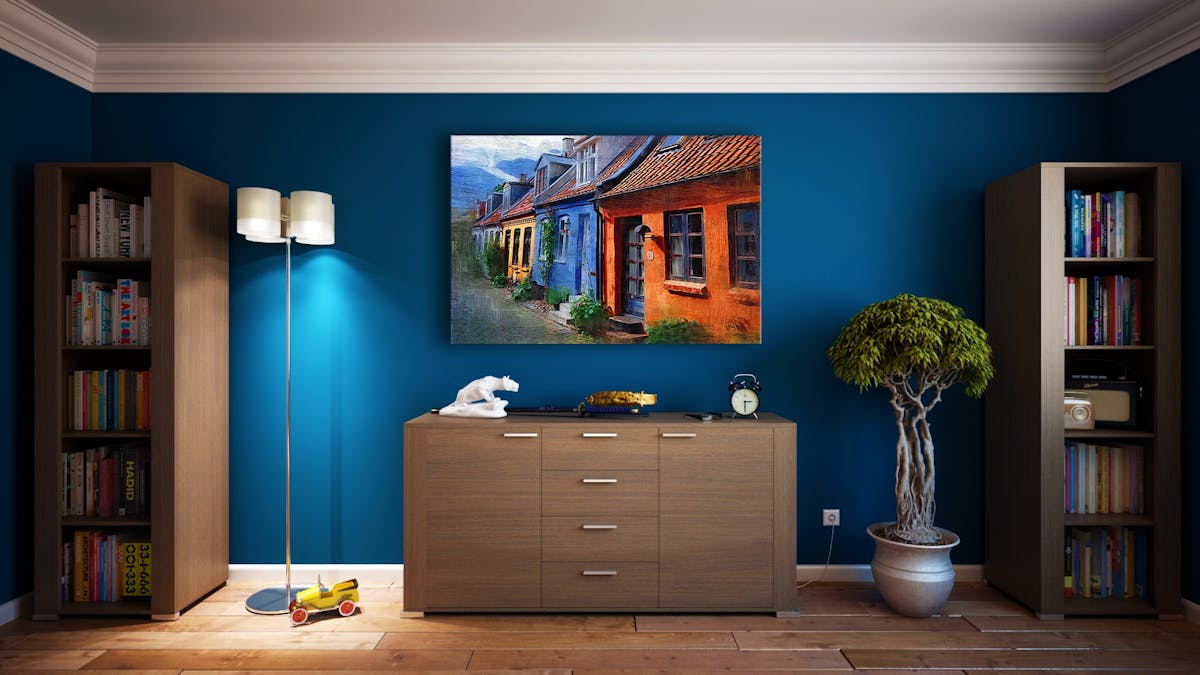
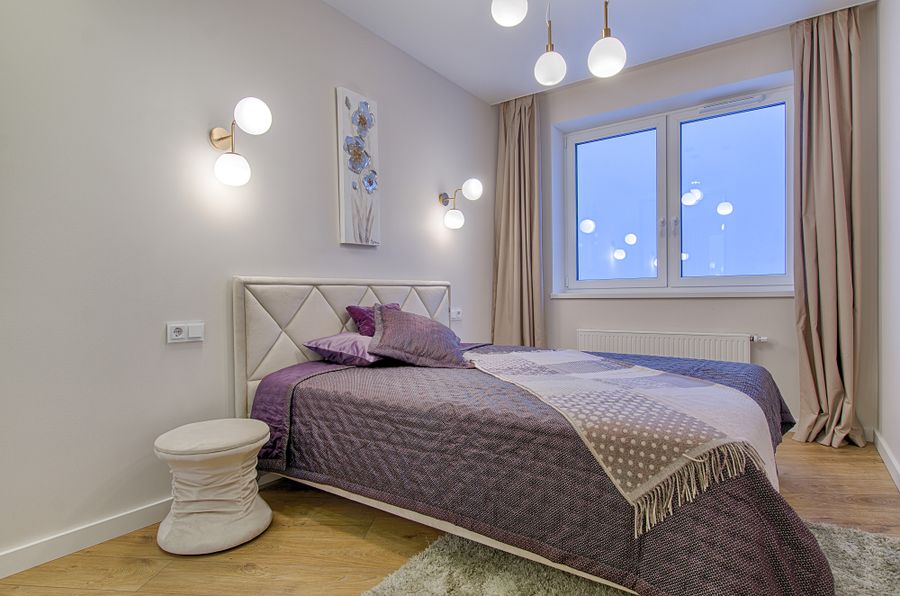
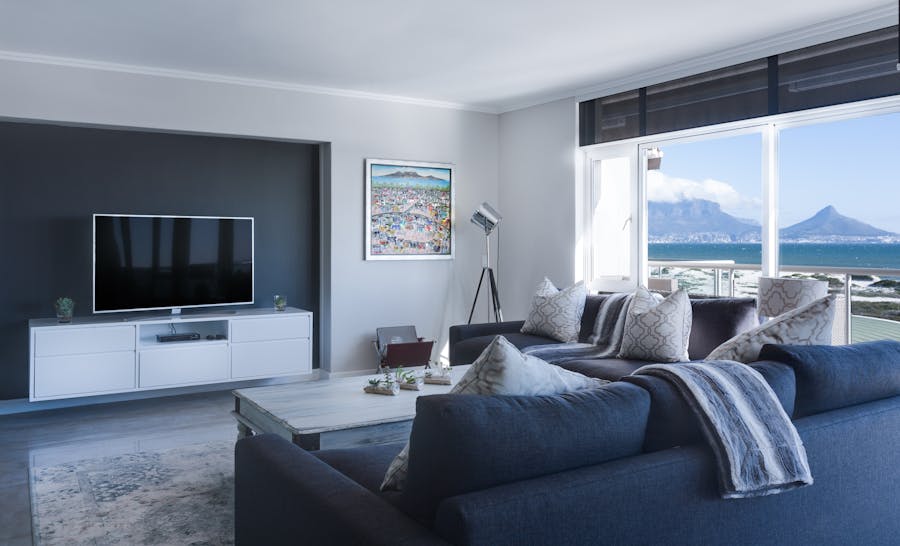
Use layers instead of one bright ceiling light.
General lighting
Provides comfortable overall illumination for the room.
Bedside lighting
Useful for reading and nighttime tasks without lighting the entire bedroom.
Wardrobe lighting
Helps illuminate shelves and hanging areas, particularly in deeper storage.
Accent lighting
Highlights a headboard, artwork, wall texture or architectural feature.
Reading light
A focused wall or bedside fixture can provide more useful light than a decorative pendant alone.
Controls
Position switches and charging points around the actual furniture arrangement.
07 · Materials & finishes
Choose finishes that support a restful bedroom.
A master bedroom usually benefits from a controlled material palette. Too many finishes, colours or decorative textures can make the room feel visually busy.
08 · Colour planning
Build the bedroom palette around three levels.
| Palette layer | Where it can appear | Planning principle |
|---|---|---|
| Base | Walls, large wardrobe surfaces and major furniture | Keep the largest visual areas controlled. |
| Secondary | Headboard, curtains, upholstery and selected furniture | Introduce warmth and depth without competing with the base. |
| Accent | Handles, artwork, cushions, lighting or small decorative elements | Use selectively to create contrast. |
09 · Smaller master bedrooms
Make a compact bedroom work harder without filling it with furniture.
10 · Master bedroom styles
Choose a design language before selecting individual details.
11 · What to avoid
Common master bedroom design mistakes.
12 · Master bedroom planning checklist
Before approving the design, check the complete room.
13 · Related interior guides
Continue planning your home interior.
14 · Frequently asked questions
Master bedroom interior design questions.
What should a master bedroom interior include?
A master bedroom can include a bed and bedside storage, wardrobe, dresser or study area where required, lighting, window treatment, ceiling treatment, wall finishes and practical storage planned around the room.
How should I plan a master bedroom wardrobe?
Start with the available wall length and ceiling height, then divide storage according to hanging clothes, folded clothes, drawers, accessories, luggage and seasonal items. Door type and circulation space should also be considered.
Which bed position is suitable for a master bedroom?
The bed should be positioned according to room geometry, doors, windows, circulation, furniture and electrical requirements. There is no single placement that works for every bedroom.
What lighting works well in a master bedroom?
A layered approach can combine general lighting, bedside lighting, wardrobe lighting and accent lighting. The exact fixture layout should follow the furniture and room plan.
How can a small master bedroom feel larger?
Use efficient circulation, appropriately sized furniture, full-height storage where suitable, integrated bedside storage, lighter visual finishes and a controlled number of decorative elements.
Should a master bedroom wardrobe go to the ceiling?
A full-height wardrobe can use vertical space efficiently and reduce dust-collecting gaps, but the appropriate height depends on ceiling height, access, design and storage requirements.
How much storage does a master bedroom need?
Storage should be based on the occupants’ actual clothing, accessories, luggage, seasonal items and other belongings rather than a fixed number of cabinets.
Can a master bedroom include a study area?
Yes. Where space permits, a compact desk can be integrated beside a wardrobe, near a window or along an otherwise underused wall while protecting the main circulation path.
Design your bedroom around your life
Create a master bedroom that feels calm, useful and personal.
For a Dwarka home, the best starting point is the actual room measurement, floor plan, storage requirement, furniture needs and preferred design direction.