How Much Storage Should a 2 BHK Have?
A 2 BHK does not need storage on every wall. It needs the right amount of storage in the right places — wardrobes for clothing, kitchen storage for daily supplies, living-room cabinets, entry storage and dedicated space for seasonal belongings.
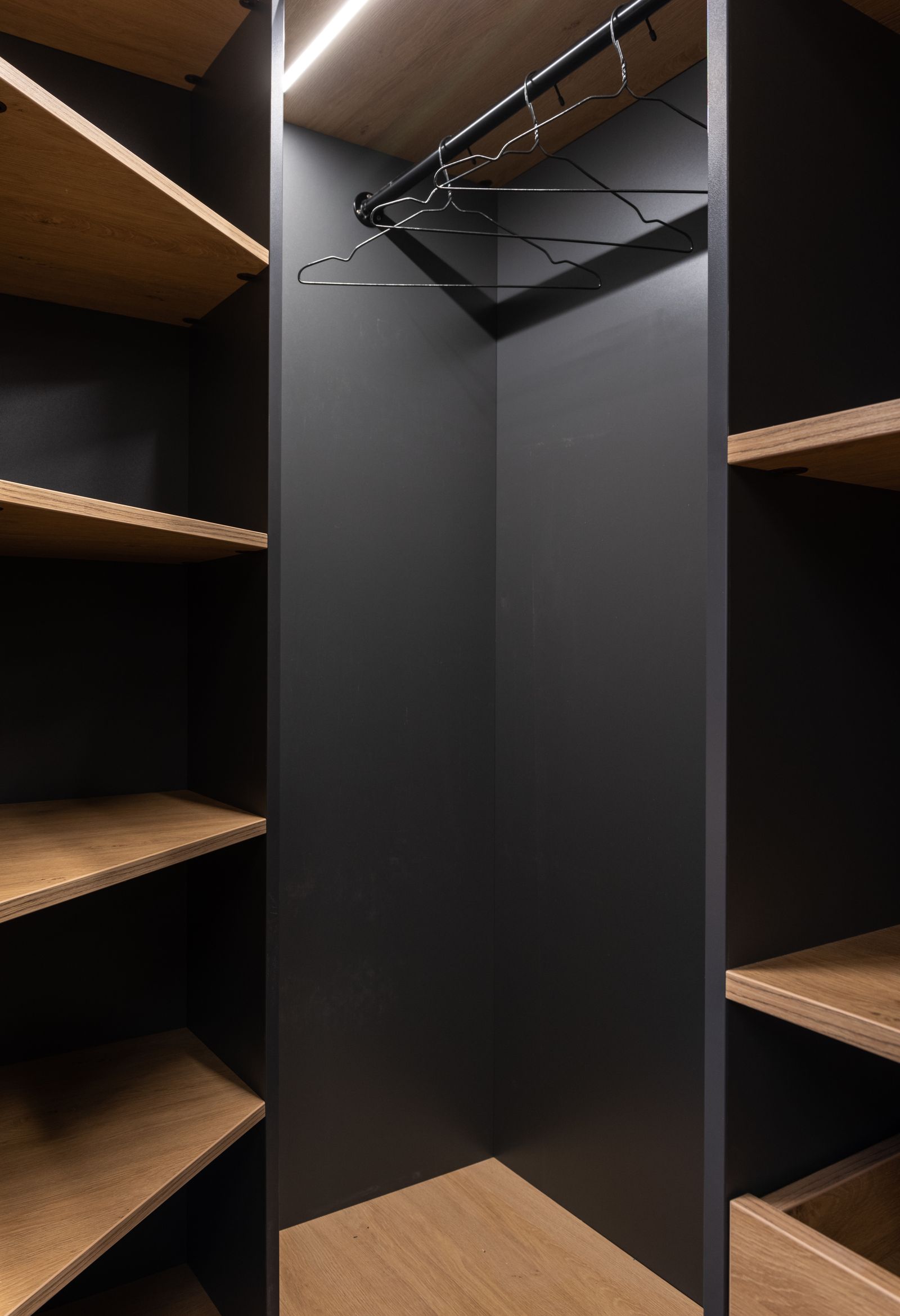
Good storage is distributed, not oversized.
A well-planned 2 BHK should not depend on one enormous wardrobe. Storage works better when different categories of belongings have dedicated locations throughout the home.
In a compact apartment, storage competes with beds, sofas, dining furniture, doors, windows and walking space. That is why the question is not simply “How many cupboards do I need?”
The better question is: what needs to be stored, how often is it used, and where can it be stored without reducing the usability of the room?
Current 2 BHK planning guidance also emphasises full-height wardrobes, concealed storage, under-bed storage, kitchen pull-outs and vertical storage rather than adding random cabinets throughout the home. :contentReference[oaicite:0]{index=0}
Build your 2 BHK storage plan around six core zones.
Master Bedroom
Full-height wardrobe, drawers, hanging space, accessories and optional loft storage.
Second Bedroom
Wardrobe plus flexible storage for children, guests, study materials or mixed use.
Kitchen
Base cabinets, overheads, drawers, pantry capacity, appliance storage and tall units where suitable.
Living Room
TV storage, books, electronics, display items and concealed everyday storage.
Entrance
Shoe storage, bags, keys, umbrellas and other items used when entering or leaving home.
Utility + Seasonal
Cleaning supplies, laundry items, luggage, quilts and belongings used less frequently.
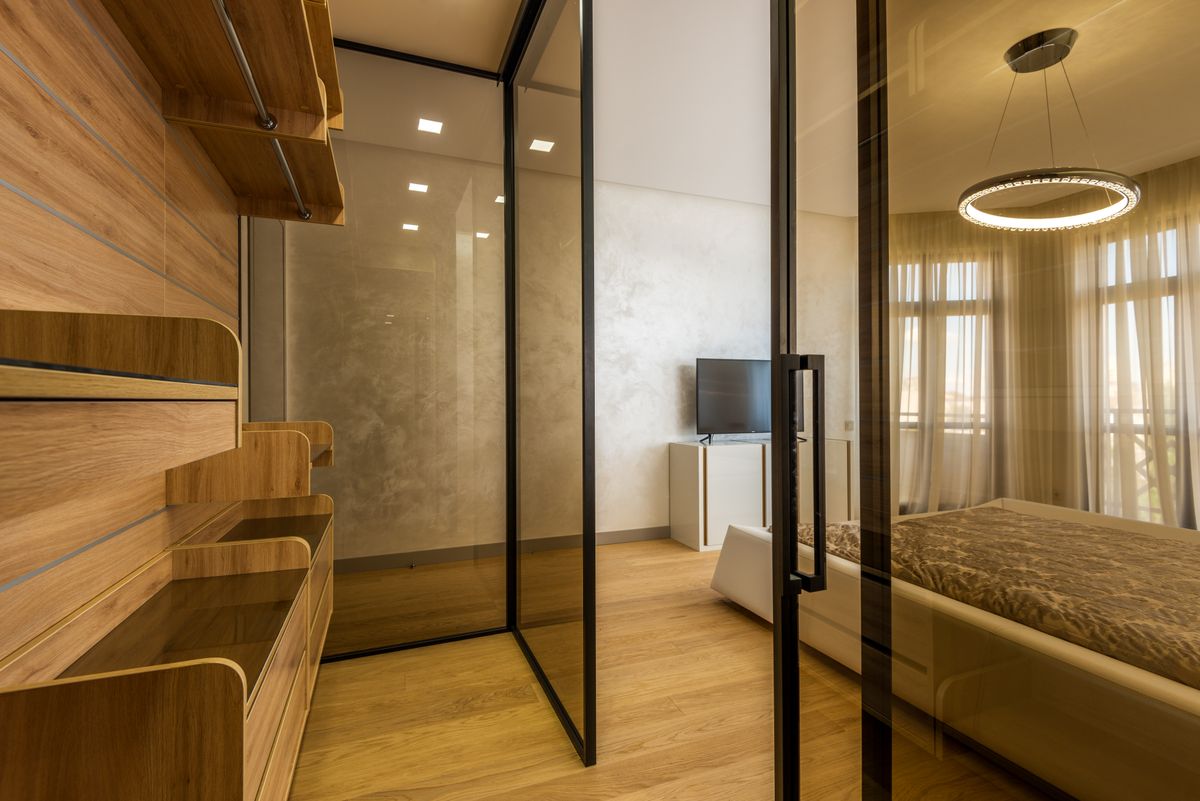
Bedrooms usually carry the largest share of household storage.
Clothing, bedding, accessories, luggage and personal belongings can quickly overwhelm a bedroom when storage is added without a system.
Your kitchen is one of the home’s biggest storage systems.
Kitchen storage should be planned around actual appliances, cookware, groceries and cooking habits. A visually beautiful kitchen can still be frustrating if frequently used items have no logical home.
Base cabinets & drawers
- Cookware and utensils
- Frequently used containers
- Cleaning supplies
- Cutlery and small accessories
Overheads & tall units
- Less frequently used cookware
- Dry provisions
- Small appliances
- Extra pantry capacity
Pantry organisation
- Pull-out baskets where suitable
- Dedicated provision shelves
- Easy-access daily items
- Clear appliance zones
Corner & awkward spaces
- Corner storage solutions
- Under-sink organisation
- Utility storage
- Space above selected appliances
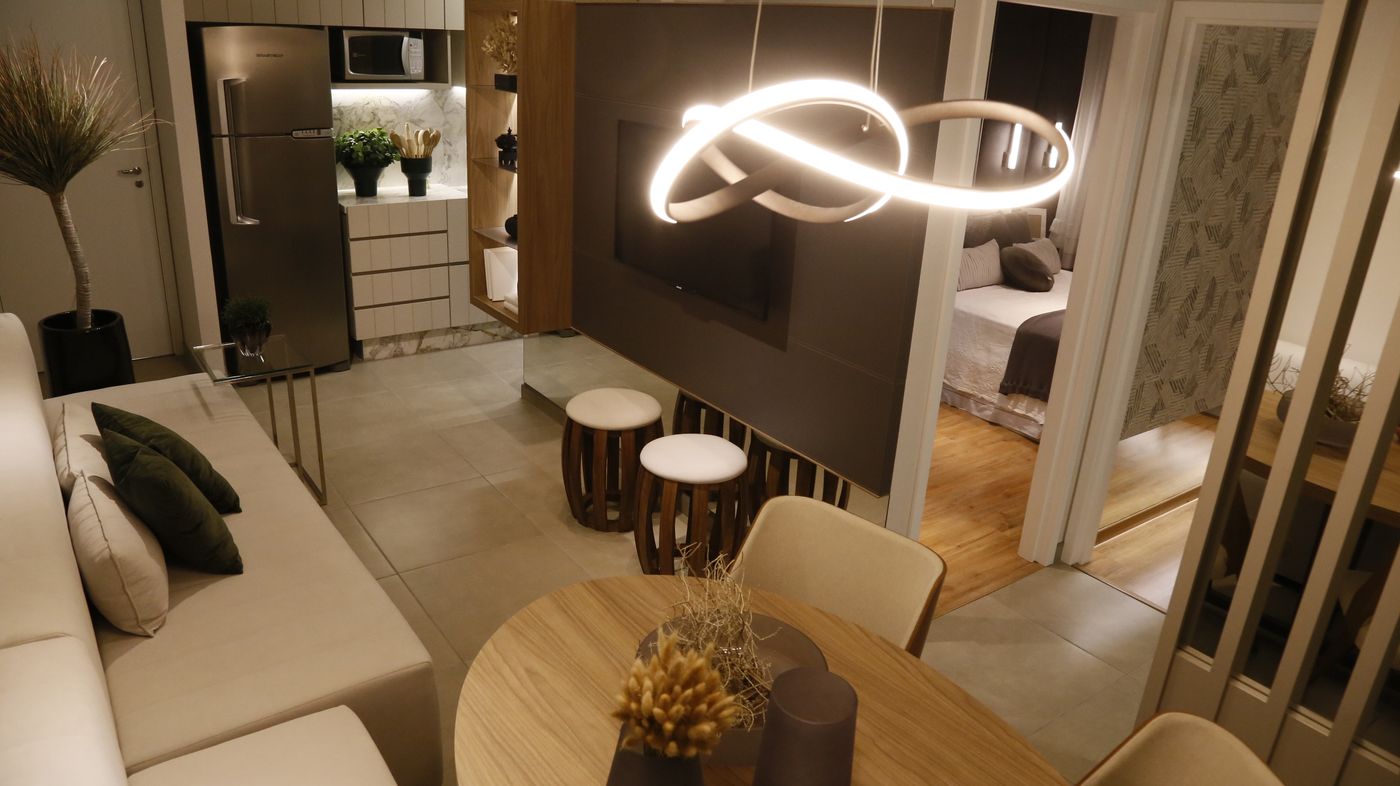
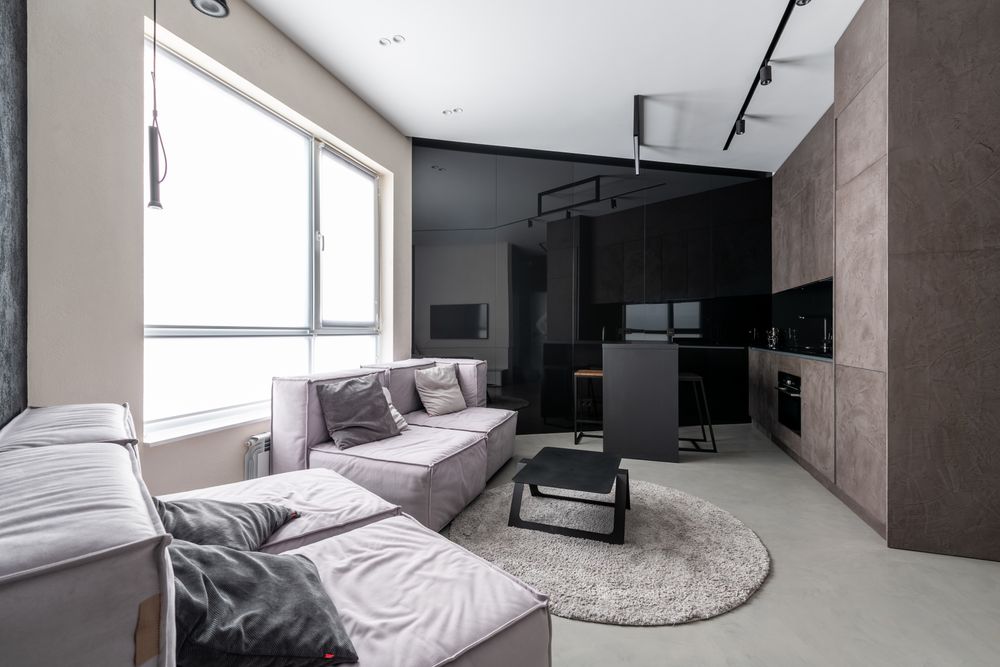
Keep everyday clutter contained without turning the room into a cabinet wall.
Useful living-room storage
A TV unit can combine concealed cabinets with a small amount of open display storage. At the entrance, a slim shoe cabinet, mirror and compact ledge can handle everyday items without consuming the full foyer.
Not everything belongs at eye level.
A smart 2 BHK storage plan separates frequently used belongings from items used only occasionally.
| Item category | Good storage location | Planning principle |
|---|---|---|
| Daily clothing | Easy-access wardrobe sections | Keep frequently used items within comfortable reach. |
| Seasonal clothing | Upper wardrobe / loft storage | Use higher zones for items that are changed less frequently. |
| Quilts & blankets | Bed storage / upper storage | Free wardrobe space by moving bulky seasonal items elsewhere. |
| Suitcases | Loft / utility / suitable high storage | Keep luggage accessible without giving it prime everyday space. |
| Shoes & bags | Entrance storage | Keep outgoing and incoming daily items close to the entry. |
| Cleaning supplies | Utility / dedicated cabinet | Keep chemicals and cleaning tools organised and away from food storage. |
Measure storage by function, not by the number of cupboards.
A practical storage assessment should consider what your family owns before deciding how much cabinetry to build.
A useful planning test
Before adding another cabinet, ask: What exactly will this cabinet store? If you cannot name the category, the space may be better left open.
The goal is not maximum cabinetry. The goal is enough accessible, organised storage while maintaining a comfortable home.
More storage can actually make a 2 BHK feel smaller.
A cabinet is not automatically useful because an empty wall exists. Preserve visual breathing room and circulation.
The outside finish gets attention, but shelves, drawers, hanging sections and accessory storage determine everyday usability.
A wardrobe-heavy plan cannot compensate for poor kitchen storage. Appliance, pantry and cookware requirements need their own system.
Quilts, suitcases and festival or occasional items can consume valuable everyday storage if they have no dedicated location.
Large sofas, deep beds and bulky standalone cabinets can reduce the space available for useful storage and movement.
Storage should be coordinated with furniture, doors, windows, electrical points and circulation from the beginning.
Make storage disappear into the design.
Full-height wardrobes, integrated TV units, concealed cabinets and coordinated finishes can make storage feel like part of the room rather than an added piece of furniture.
Wall-to-wall wardrobes
Use one coordinated finish and vertical proportions to reduce visual fragmentation.
Integrated TV storage
Combine display niches, closed cabinets and cable management in one composition.
Slim concealed storage
A shallow shoe cabinet and small drop zone can solve daily clutter without dominating the foyer.
Furniture with two jobs
Storage beds, benches with drawers and compact study-storage combinations can increase function without adding separate units.
Before finalising the storage design, check every category.
Bedrooms
- Clothing volume
- Long and short hanging requirements
- Folded clothing
- Accessories
- Bedding
- Luggage
Kitchen
- Cookware
- Daily utensils
- Groceries
- Small appliances
- Cleaning supplies
- Pantry requirements
Living + Entry
- Shoes
- Bags
- Books
- Electronics
- Decor
- Daily-use items
Utility + Seasonal
- Vacuum cleaner
- Cleaning tools
- Suitcases
- Quilts
- Seasonal clothes
- Occasional household items
Storage is only one part of a well-planned 2 BHK.
The furniture, kitchen, storage and execution decisions should work together instead of being designed as separate pieces.
2 BHK storage questions
How much storage should a 2 BHK have?
There is no universal storage quantity for every 2 BHK. A practical plan normally distributes storage across both bedrooms, the kitchen, living room, entrance and utility or bed areas. The correct amount depends on the household, room dimensions, belongings and lifestyle.
Is one wardrobe enough for a 2 BHK?
Usually, one wardrobe alone is not enough for a complete 2 BHK storage plan. Each bedroom should have storage suited to its occupants, while seasonal and household items can be handled through lofts, bed storage, utility cabinets and other dedicated zones.
Should wardrobes go up to the ceiling?
Full-height wardrobes can use otherwise wasted vertical space and provide a separate loft zone for less frequently used items. Their suitability depends on ceiling height, ventilation, proportions and the room layout.
What storage should a 2 BHK living room have?
Useful living room storage can include a TV unit with closed cabinets, a compact display area, bookshelves or concealed storage. The objective is to keep everyday items organised without filling the room with bulky furniture.
Does the kitchen count as storage in a 2 BHK?
Yes. Kitchen cabinets, drawers, pantry units, tall units and appliance storage are an important part of the home’s overall storage plan.
How can I increase storage without making a 2 BHK feel smaller?
Use vertical storage, built-in wardrobes, concealed cabinets, under-bed storage, multifunctional furniture and a mixture of open and closed storage. Keep circulation clear and avoid adding cabinets simply because a wall is available.
Is sliding wardrobe storage better for a small 2 BHK bedroom?
Sliding wardrobes can be useful where door swing would interfere with circulation. Hinged wardrobes can provide easier access to the full interior where the room has enough clearance.
Should storage be planned before furniture?
Yes. Storage requirements, furniture dimensions, circulation, doors, windows and electrical points should be considered together before finalising the room layout.
Storage should fit your life, not just your floor plan.
If you are planning a 2 BHK in Dwarka, start with the actual floor plan, household requirements and the items you need to store. A good interior plan can then balance storage, circulation, furniture and visual openness.