What Plywood Is Suitable for Kitchen Cabinets?
Kitchen cabinets face a different environment from bedroom wardrobes. Steam, humidity, cleaning, plumbing and accidental water exposure make plywood grade and construction quality important when planning a durable kitchen.
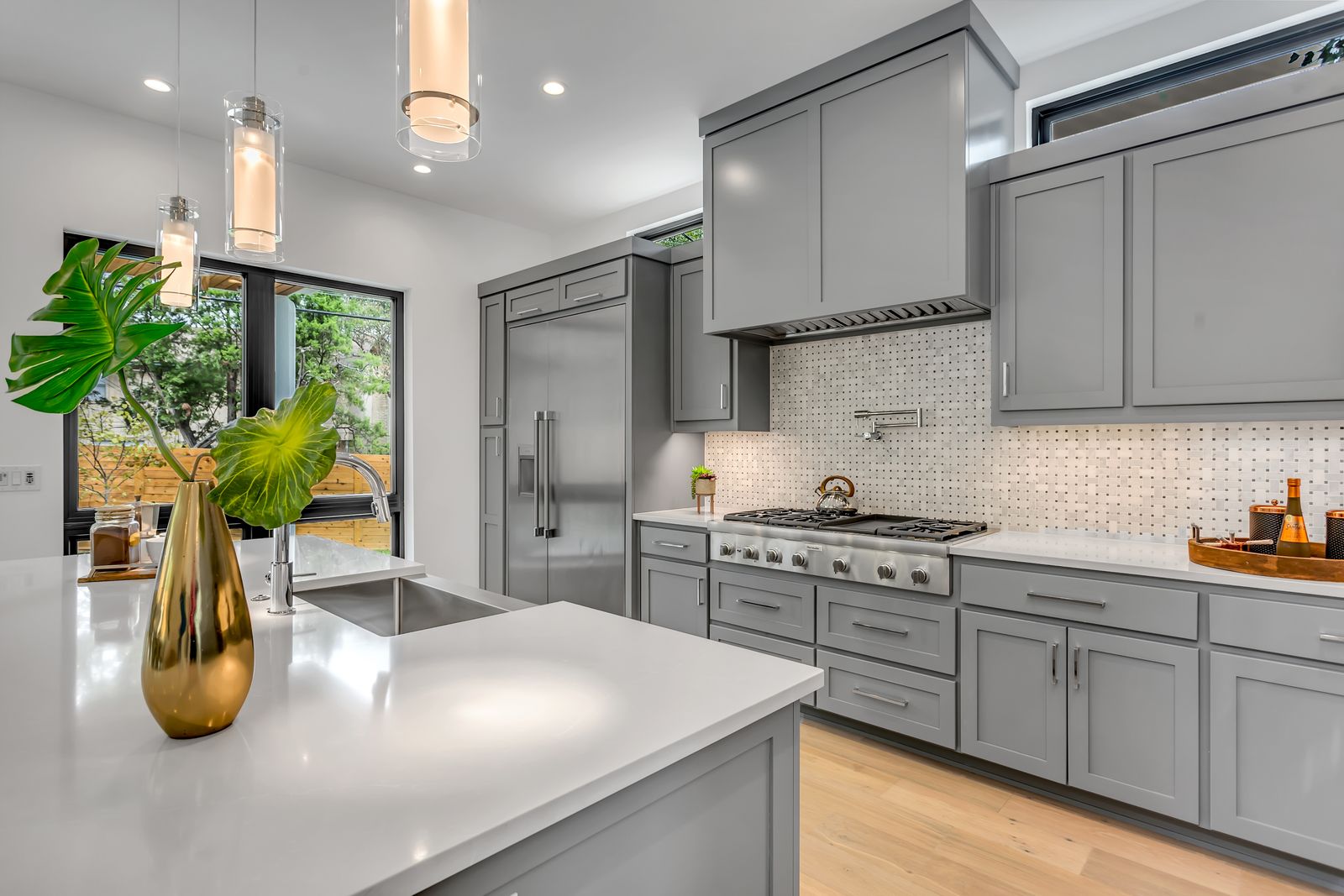
The right plywood depends on where the cabinet will be used.
There is no need to treat every board in a home as though it faces the same environment. A kitchen sink cabinet has a different moisture risk from a bedroom wardrobe, while a dry living-room cabinet has different requirements again.
The Bureau of Indian Standards currently lists IS 303:2024 for plywood for general purposes and IS 710:2024 for marine plywood. These standards define different technical requirements and applications. :contentReference[oaicite:0]{index=0}
For a kitchen, the most important question is therefore not simply “Which plywood is strongest?” It is which specification provides appropriate performance for the moisture exposure and construction method?
A good kitchen specification should consider the carcass, sink zone, plumbing, countertop joints, edge sealing, hardware and installation together.
MR, BWR and BWP: what do they mean for a kitchen?
Plywood grades are about performance characteristics, not simply how expensive or attractive a finished cabinet looks.
Moisture Resistant
MR plywood is generally intended for interior applications where prolonged water exposure is not expected.
- Useful for relatively dry interiors
- Common in furniture applications
- Not intended to be treated as waterproof
- Kitchen application should consider actual exposure
Boiling Water Resistant
BWR provides greater moisture resistance than ordinary MR applications and can be considered where a higher level of moisture resistance is required.
- Higher moisture resistance
- Application depends on product specification
- Verify the applicable standard
- Consider construction quality as well
Boiling Water Proof
BWP is the higher water-resistance category commonly associated with marine plywood manufactured to IS 710 and is particularly relevant to moisture-demanding applications.
- Strong option for moisture-prone cabinetry
- Relevant around kitchen sink and plumbing zones
- Designed for demanding moisture exposure
- Verify current IS marking and documentation
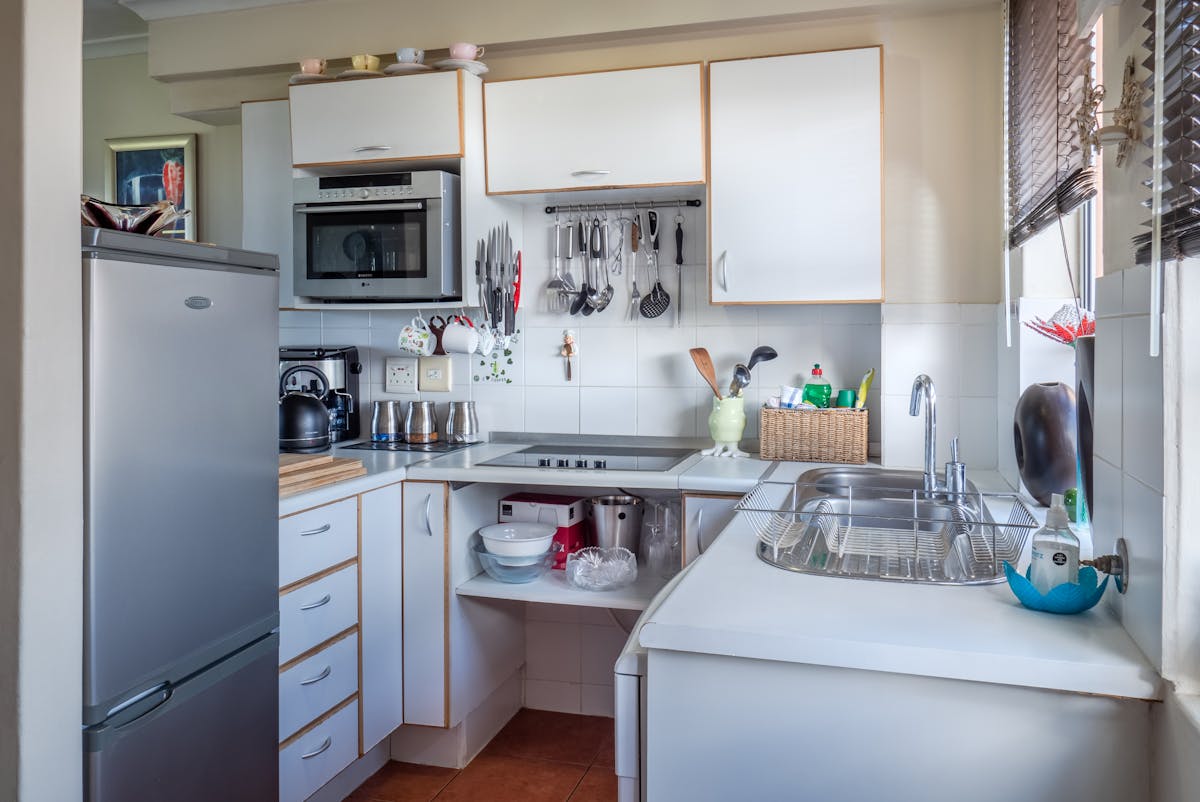
Why BWP is often considered for kitchen cabinetry.
Kitchens combine water, heat, steam, cleaning and plumbing. The risk is particularly noticeable around the sink and plumbing connections.
That makes a higher moisture-performance plywood specification a sensible consideration for kitchen cabinetry where exposure is significant. BIS identifies IS 710 as the standard for marine plywood, and current BIS records include IS 710:2024. :contentReference[oaicite:1]{index=1}
Not every kitchen cabinet has the same exposure.
A practical kitchen specification can use the actual environment of each cabinet zone to determine the appropriate material and protection.
Sink cabinet
- Close to plumbing connections
- Potential for accidental leaks
- Higher moisture-performance plywood is worth considering
- Seal exposed edges carefully
Base cabinets
- Regular cleaning near floor level
- Possible exposure to spills
- Consider moisture performance and edge protection
- Use suitable hardware and joints
Wall cabinets
- Generally away from direct floor spills
- Still exposed to kitchen humidity and steam
- Choose material according to project specification
- Plan appliance clearances carefully
Tall pantry / utility units
- Large storage loads
- Internal shelves and drawers need stability
- Consider the location of appliances
- Keep utility and cleaning storage organised
Is 18 mm plywood enough for kitchen cabinets?
Thickness should be specified by component and construction rather than applying one number to every part of the kitchen.
| Kitchen component | What to consider | Why it matters |
|---|---|---|
| Carcass | Board thickness, cabinet dimensions and construction system | Supports the cabinet and affects rigidity and hardware installation. |
| Shutters | Shutter material, size, finish and hinge system | Large shutters require appropriate stability and hardware compatibility. |
| Shelves | Span, load and shelf support | Long shelves carrying heavy cookware need suitable structural planning. |
| Drawers | Drawer box material and hardware specification | Repeated opening and closing places demands on joints and runners. |
| Back panels | Cabinet construction and service access | Back construction affects rigidity, plumbing access and installation. |
Important
18 mm is a common cabinet-board thickness in many kitchen systems, but it should not be treated as a universal specification for every component. The correct thickness depends on dimensions, loading, hardware and construction details.
A durable kitchen is a complete construction system.
Even high-grade plywood cannot compensate for poor edge treatment, leaking plumbing or badly executed joints.
Ask these questions before approving the kitchen material.
What exact plywood is being used?
Ask for manufacturer, product name, grade, thickness and the applicable Indian Standard rather than accepting only “waterproof plywood”.
Can the specification be verified?
Check product markings, documentation and certification information relevant to the claimed grade.
Where will each grade be used?
A professional quotation should identify the material specification for carcass, shutters and any areas requiring special moisture protection.
How will edges and plumbing be protected?
Ask about edge sealing, sink cut-outs, plumbing access, countertop joints and protection against accidental water exposure.
Do not choose kitchen plywood based on one word.
Ask which grade and standard support the claim. A marketing description alone does not tell you enough about the product.
A bedroom wardrobe and kitchen sink cabinet do not face the same environment. Material selection should follow application.
Water can enter through exposed cut edges even when the main plywood specification is appropriate.
A thicker board is not automatically the correct board. Grade, construction, bonding, loading and installation all matter.
A high-quality cabinet can still suffer if plumbing connections leak or cabinet cut-outs are left poorly protected.
Put the plywood grade, thickness, manufacturer and application into the quotation or scope so there is less ambiguity during execution.
Specify the material before the kitchen is manufactured.
A clear material schedule helps the homeowner, designer, contractor and carpenter work from the same specification.
Plywood grade
State the exact grade and applicable Indian Standard for each relevant cabinet application.
Thickness
Specify thickness by component rather than using one generic number for every board.
Laminate or surface
Identify the external finish separately from the structural plywood specification.
Edge + joint protection
Include sealing, hardware, countertop interface and plumbing protection in the execution scope.
Choose the kitchen system as a whole.
Plywood is one decision within a larger kitchen design. Cabinet construction, hardware, finish, storage planning and execution all affect the final result.
Kitchen plywood questions
What plywood is suitable for kitchen cabinets?
For kitchen cabinetry exposed to moisture, BWP plywood to the applicable marine plywood specification such as IS 710 is a strong option. The exact specification should be verified from the product marking and documentation.
Is MR plywood suitable for kitchen cabinets?
MR plywood can be appropriate for relatively dry interior applications, but kitchen cabinets can face greater moisture exposure. Sink and plumbing zones therefore deserve a higher moisture-performance specification.
What is BWP plywood?
BWP means Boiling Water Proof. In Indian plywood specifications, BWP is associated with plywood designed for demanding moisture exposure, including marine plywood covered by IS 710.
What is the difference between MR and BWP plywood?
MR means Moisture Resistant and is generally intended for less demanding interior applications. BWP provides a higher level of water resistance and is more appropriate where cabinetry may experience significant moisture exposure.
Which plywood is best for the kitchen sink cabinet?
The sink cabinet is one of the kitchen’s higher-risk areas because it is close to plumbing and potential leaks. A higher moisture-performance plywood specification such as BWP is worth considering, together with proper edge sealing and plumbing protection.
Is 18 mm plywood suitable for kitchen cabinets?
18 mm plywood is commonly used for many cabinet carcass applications, but thickness should be selected according to the cabinet component, dimensions, hardware, loading and construction method rather than as a universal rule.
Does good plywood alone make a kitchen cabinet waterproof?
No. Plywood grade is only one part of kitchen durability. Edge sealing, joints, countertop installation, plumbing protection, hardware and workmanship also influence moisture performance.
How do I check plywood quality before buying?
Check the product marking, applicable Indian Standard, manufacturer documentation, thickness, grade, certification details and whether the specification matches the intended application. Do not select plywood based only on the word “waterproof” in a sales description.
Choose the plywood specification before the cabinets are built.
A durable kitchen starts with a clear material specification. Match plywood grade to moisture exposure, then coordinate thickness, hardware, edge protection, plumbing and installation.