Home Lighting · Dwarka, Delhi
Home Lighting Design in Dwarka
Good home lighting is a combination of function, comfort and atmosphere. A practical lighting plan considers natural light, furniture, room activities, ceiling design, electrical points and the way different lighting layers work together.
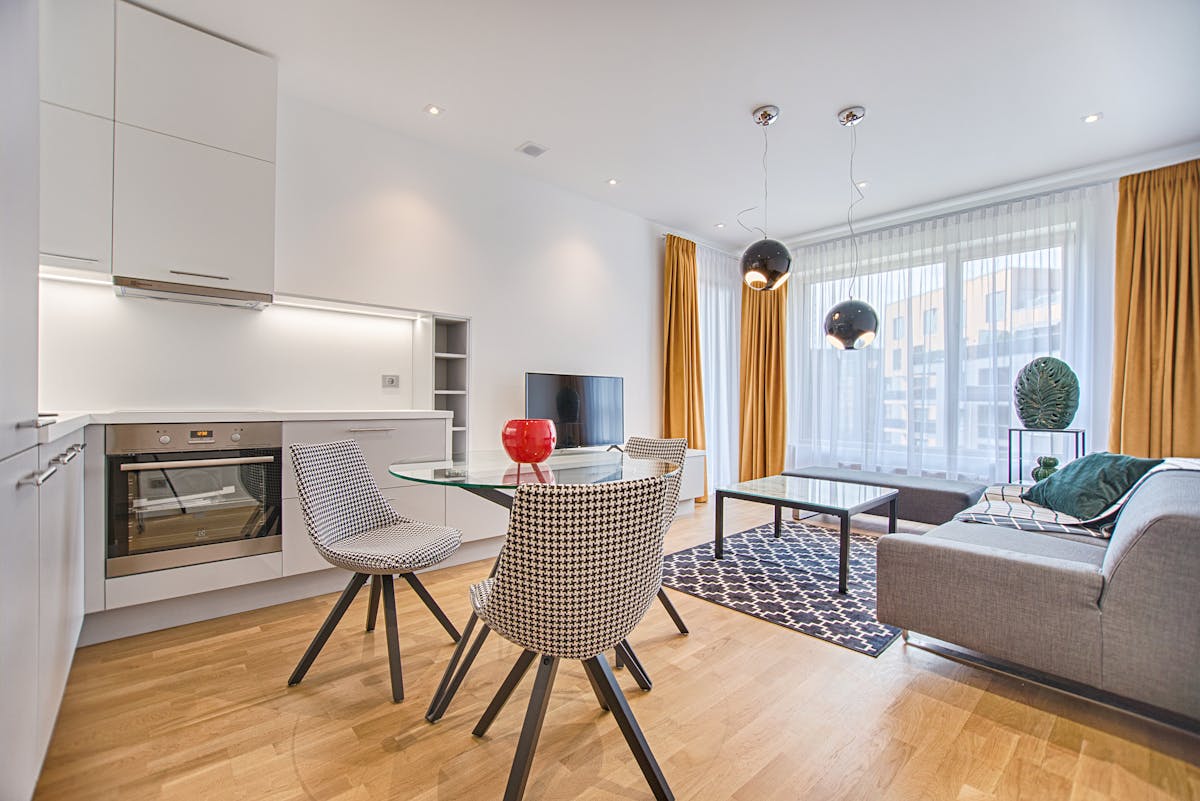
Start With The Space
Plan lighting around how each room is actually used.
Home lighting should not be treated as a final decorative layer. Light affects how furniture, wall colours, textures and architectural details are perceived, while the location of electrical points influences what can be installed.
A well-planned home can combine general illumination with task and accent lighting so that different areas can serve different purposes without relying on one bright light source for the entire room.
01 · Three Lighting Layers
A balanced home usually needs more than one type of lighting.
Ambient Lighting
Ambient lighting provides general illumination for the room. Ceiling fixtures, recessed lights and other broad light sources can form this base layer.
Task Lighting
Task lighting provides focused illumination for activities such as reading, cooking, working, grooming or preparing food.
Accent Lighting
Accent lighting highlights selected features such as artwork, niches, wall textures, display units or architectural details.
Decorative Lighting
Pendant lights, chandeliers and statement fixtures can contribute both illumination and visual character where the room permits.
Indirect Lighting
Concealed or reflected light can create a softer atmosphere and reduce the need for every light source to be visually prominent.
Natural Light
Daylight should also be considered. Window orientation, curtains, glazing and furniture placement affect how artificial lighting is needed during different parts of the day.
02 · Lighting Strategy
Start with function, then choose the fixture.
Identify Activities
Determine where people read, work, cook, eat, relax, watch television or perform detailed tasks.
Map Furniture
Seating, beds, kitchen counters, dining tables and desks should influence where focused lighting is positioned.
Layer The Light
Combine general, task and accent lighting where appropriate instead of expecting one fixture to perform every function.
Control The Glare
Fixture position, brightness, direction and surface reflection should be considered to keep the room comfortable.
03 · Room-Wise Lighting
Every room needs a different lighting approach.
Living Room
Combine comfortable ambient light with selected accent lighting around the TV wall, artwork, shelving or architectural features.
Master Bedroom
Use comfortable general illumination with bedside lighting and optional wardrobe or accent lighting.
Dining Area
A pendant or decorative fixture can visually centre the dining table while ambient light supports the wider room.
Kitchen
General ceiling lighting should be supported by task lighting around work surfaces so preparation areas are properly illuminated.
Study / Work Area
Focused task lighting should reduce shadows and provide comfortable illumination for reading or computer-based work.
Bathroom
Lighting should support grooming and general visibility, with fixture selection appropriate to the bathroom environment.
04 · Lighting Fixtures
Choose fixtures according to the job they need to perform.
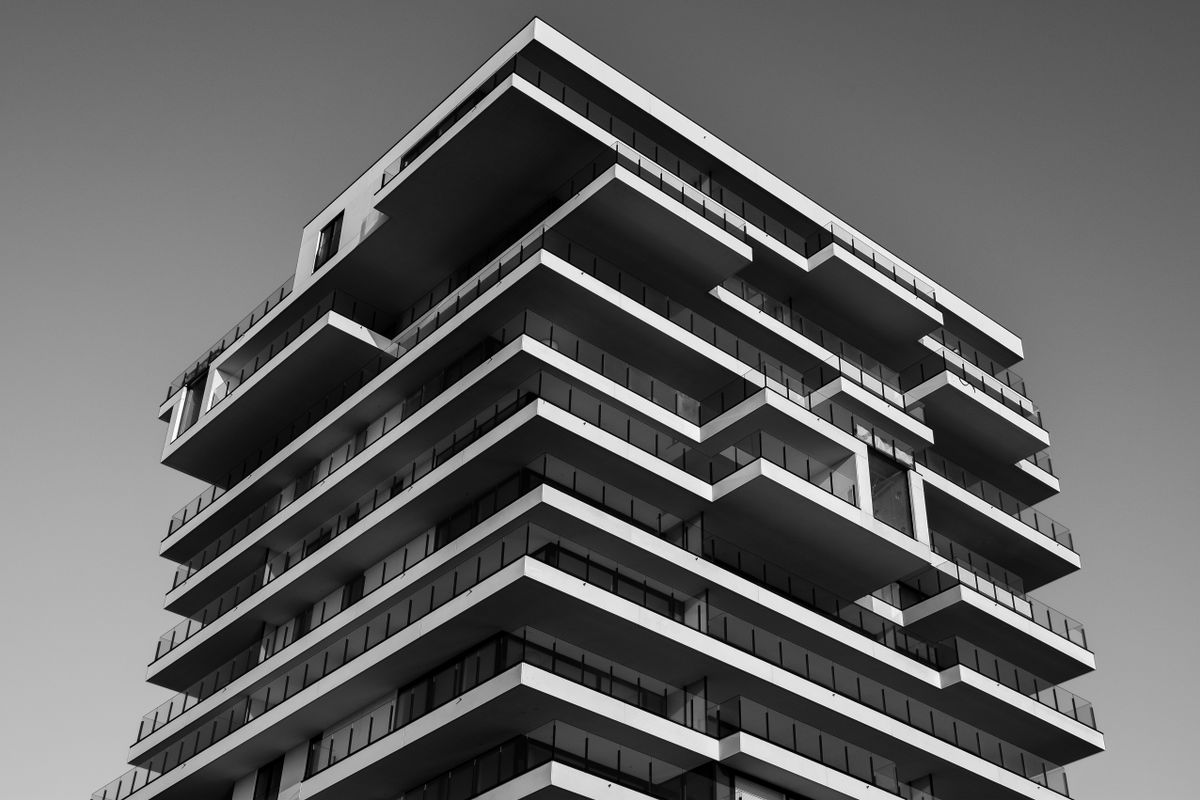
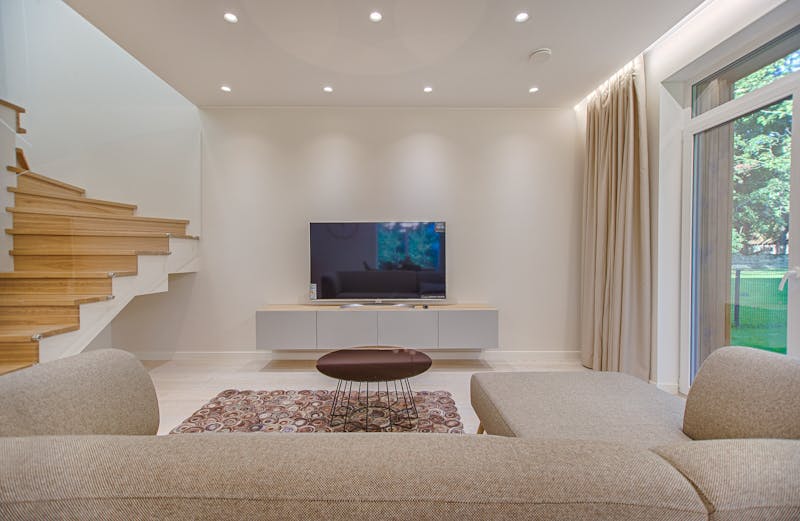
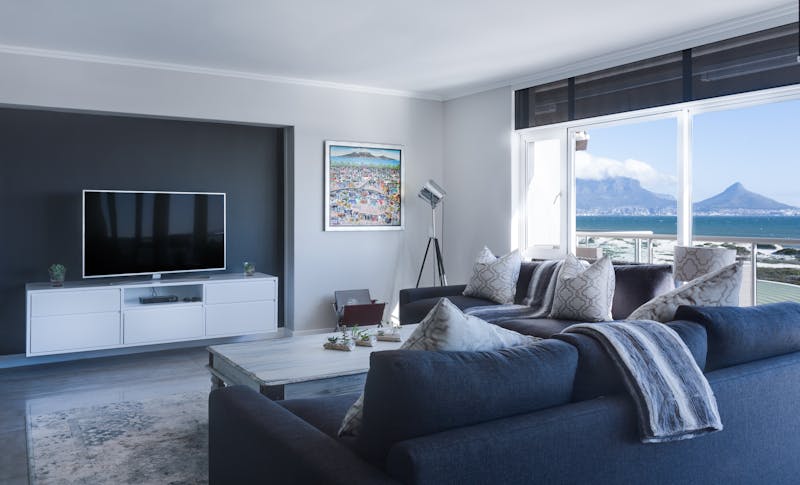
Recessed Downlights
Useful for general illumination and clean ceiling compositions where recessed fixtures are appropriate.
Pendant Lights
Particularly useful above dining tables, kitchen islands and selected seating or feature areas.
Wall Lights
Wall-mounted fixtures can provide softer illumination and add visual interest without depending entirely on ceiling lighting.
LED Strips
Concealed LED strips can provide accent or indirect illumination inside selected architectural and furniture details.
05 · False Ceiling & Lighting
Coordinate ceiling design and lighting before construction.
If a home includes a false ceiling, the lighting layout should be developed alongside the ceiling profile. Recessed lights, concealed lighting, cove lighting and decorative fixtures all affect the ceiling construction and electrical work.
| Lighting Element | Typical Purpose | Planning Consideration |
|---|---|---|
| Recessed Light | General illumination | Position according to furniture and room layout rather than placing fixtures in an arbitrary grid. |
| Cove Light | Indirect illumination | Requires suitable ceiling detailing and concealed electrical planning. |
| Spot Light | Accent lighting | Point toward the feature being highlighted and consider glare. |
| Pendant | Decorative + focused light | Coordinate position with the dining table, island or other furniture. |
| LED Profile | Linear accent | Plan recesses, channels, drivers and access as part of the installation. |
06 · Colour Temperature
Lighting colour affects the atmosphere of the entire room.
Warm Light
A warmer appearance can create a relaxed residential atmosphere and often works well in bedrooms, living spaces and dining areas.
Neutral Light
A neutral appearance can work well where a more balanced, functional feel is required, depending on the room and finishes.
Cooler Light
Cooler lighting can provide a more crisp visual character, but should be selected carefully in residential spaces and coordinated with the intended atmosphere.
Consistency
Avoid mixing visibly different lighting colours randomly in the same visual zone. Different areas can have different requirements, but transitions should feel intentional.
07 · Electrical Planning
Lighting design becomes easier when electrical planning happens early.
Light fixtures are part of the electrical layout. Their positions, switches, circuits, drivers and controls should be coordinated before false ceiling work, wall panelling or custom furniture closes access to wiring routes.
08 · Room-by-Room Lighting Plan
A simple planning framework for a complete home.
| Room | Primary Lighting | Additional Lighting |
|---|---|---|
| Living Room | Ambient ceiling lighting | TV wall, artwork, display and decorative lighting where appropriate. |
| Dining Room | General room illumination | Pendant or focused fixture above the dining table. |
| Kitchen | General ceiling lighting | Task lighting around counters and work areas. |
| Master Bedroom | Soft ambient lighting | Bedside, wardrobe and selected accent lighting. |
| Study | General illumination | Focused desk or reading light. |
| Bathroom | General illumination | Mirror or grooming lighting where suitable. |
| Foyer | General entrance lighting | Accent lighting for artwork, console or feature wall. |
09 · Modern Lighting Ideas
Use lighting to create zones instead of simply increasing brightness.
Layered Living Room
Combine ambient ceiling lighting with selected wall, display or accent lighting so the room can be visually adjusted for different activities.
Dining Pendant
A pendant above the dining table can establish a clear focal zone while contributing to the overall dining atmosphere.
Wardrobe Lighting
Internal or integrated wardrobe lighting can make storage easier to use when planned with the furniture construction.
TV Wall Accent
Subtle backlighting or controlled wall illumination can add depth to the TV wall without competing with the screen.
Kitchen Task Light
Lighting under or around kitchen work areas can reduce shadows where food preparation and other detailed tasks take place.
Bedroom Ambience
A combination of comfortable ambient light and bedside illumination can create a more flexible bedroom lighting environment.
10 · Common Mistakes
What can make home lighting uncomfortable or visually messy?
One Bright Source
Relying on a single bright ceiling fixture can create a flat room with limited flexibility for different activities.
Too Many Downlights
Filling the ceiling with fixtures does not automatically produce better lighting. Position and purpose are more important.
Ignoring Furniture
Lighting should follow beds, sofas, counters, tables and work areas rather than being positioned independently of the room.
Visible Cables
Late electrical decisions can create exposed wiring or awkward fixture positions, especially around TV walls and false ceilings.
Too Much Accent Light
Accent lighting works best when it highlights selected features. Overusing it can make the room feel visually busy.
Random Colour Temperatures
Inconsistent light colours across connected spaces can make the interior feel disconnected.
11 · Lighting Checklist
Before approving the home lighting plan.
| Area | What to Confirm |
|---|---|
| Room Function | Identify the activities and tasks that need dedicated illumination. |
| Furniture | Confirm the position of sofas, beds, dining tables, counters and desks. |
| Lighting Layers | Identify ambient, task and accent lighting requirements. |
| Fixtures | Confirm fixture type, location, size and intended purpose. |
| Ceiling | Coordinate lighting with false ceiling profiles and available ceiling height. |
| Electrical | Confirm switches, wiring routes, circuits, drivers and access requirements. |
| Colour | Choose a suitable lighting colour approach for each room and maintain consistency where needed. |
| Controls | Determine which lights should be controlled separately for different uses and moods. |
12 · Complete Interior Planning
Lighting works best when it is designed with the rest of the home.
Home lighting is connected to false ceilings, TV units, wardrobes, kitchens, dining furniture, wall treatments and electrical planning. Coordinating these elements early helps avoid conflicting fixtures, exposed wiring and unnecessary ceiling work.
13 · Frequently Asked Questions
Home lighting design in Dwarka: FAQs
What are the main types of home lighting?
Home lighting is commonly planned in layers such as ambient lighting for general illumination, task lighting for specific activities and accent lighting for selected architectural or decorative features.
How should lighting be planned for a home?
Lighting should be planned room by room around furniture, activities, ceiling conditions, electrical points, natural light and the desired atmosphere.
What lighting is suitable for a living room?
A living room can combine general illumination with focused or accent lighting around the TV wall, artwork, display areas or architectural features. The exact combination depends on the room.
What lighting works well in a bedroom?
Bedrooms generally benefit from comfortable ambient lighting supported by bedside or task lighting and selected accent lighting where required.
Can lighting be integrated into a false ceiling?
Yes. False ceilings can accommodate recessed lights, concealed lighting, cove lighting and selected decorative fixtures, subject to the ceiling design and electrical plan.
Should warm or cool lighting be used at home?
The suitable colour temperature depends on the room, activity, finishes and desired atmosphere. Warm lighting is often selected where a relaxed residential feel is desired, while task areas may require a different lighting approach.
Do you provide home lighting design in Dwarka?
Interior A to Z provides residential interior design services in Dwarka and can plan home lighting as part of a living room, bedroom, kitchen or complete home interior project, depending on the agreed scope.
Plan Your Home Lighting
Make every room brighter, more comfortable and better planned.
From ambient and task lighting to accent fixtures, false ceiling integration and electrical coordination, create a lighting plan around the way your home is actually used.