Best Colours for a Small Living Room: 10 Ideas to Make Your Space Look Brighter
Choosing the right wall colour can transform the way a compact living room looks and feels. From warm white and elegant beige to soft sage green and pastel blue, the right colour palette can help your room feel brighter, more balanced and welcoming without sacrificing personality.
This guide covers colour combinations, accent wall ideas, furniture coordination and practical painting tips for small Indian homes and apartments.
How Do You Choose Colours for a Small Living Room?
Start by examining how much natural light enters your living room, the colour of your floor, the size of your sofa and the finish of your existing furniture. Light colours can reflect more available light and make a compact space feel open, while medium and dark shades can add depth when used thoughtfully.
For many Indian apartments, warm white, cream, pale beige and light greige are flexible starting points. If you prefer more colour, consider muted sage green, powder blue or a soft peach. You can introduce stronger colours through a focal wall, cushions, artwork or curtains.
10 Best Colours for a Small Living Room
1. Warm White
Sample colour: #F7F4EC
Warm white is a versatile choice for compact living rooms because it provides a bright background without the stark appearance that some cool whites can create. It works well with wooden furniture, neutral sofas, patterned rugs and metallic accents.
Best pairing: Warm white walls, natural wood furniture and beige curtains.
Ideal for: Small living rooms with limited daylight or mixed furniture styles.
2. Soft Cream
Sample colour: #F0E4D2
Cream adds warmth while keeping the overall room light. It is a useful option when a pure white wall feels too cool or when the room has warm-toned flooring and wooden furniture.
Best pairing: Cream walls, walnut or oak finishes, and muted green accessories.
Ideal for: Comfortable, classic and contemporary family living rooms.
3. Light Beige
Sample colour: #E8DCC8
Light beige creates a relaxed and coordinated appearance. It can complement marble-look tiles, wooden TV units, cream upholstery and natural-texture decor. Choose a shade with enough contrast against your floor so the room does not appear flat.
Best pairing: Beige walls, off-white ceiling and darker wood accents.
Ideal for: Homes with warm flooring and neutral furniture.
4. Soft Sage Green
Sample colour: #DDE7DB
Sage green introduces a subtle connection with nature without the intensity of a highly saturated green. It pairs well with light wood, cream upholstery, woven textures and indoor plants.
Best pairing: Sage green with warm white and natural wood.
Ideal for: Calm, nature-inspired and contemporary interiors.
5. Powder Blue
Sample colour: #DCE8F2
Powder blue gives a light, airy character to a room and can complement white ceilings, grey upholstery and pale wood. Undertones matter: some blues look cooler or more grey in shade, so test them in the room before painting every wall.
Best pairing: Powder blue, white and light grey.
Ideal for: Contemporary spaces and rooms that receive good natural light.
6. Light Greige
Sample colour: #E6E1D9
Greige blends grey and beige, giving you a neutral colour that can work with both warm and cool furnishings. It provides a little more depth than white while remaining suitable for a compact living room.
Best pairing: Light greige with cream, charcoal accents and natural wood.
Ideal for: Modern apartments and understated interiors.
7. Pale Butter Yellow
Sample colour: #F3E5C8
A soft yellow can add warmth and a cheerful appearance without overwhelming the room. Choose a muted, pale shade rather than a highly saturated yellow if you want a restrained effect.
Best pairing: Pale yellow with warm white, beige and light wood.
Ideal for: Living rooms that need a warmer visual feel.
8. Soft Peach
Sample colour: #F1DDD4
Soft peach adds a gentle warmth and can make a neutral living room feel more personal. Keep the surrounding furniture and accessories relatively simple if you want the wall colour to remain the main feature.
Best pairing: Peach with cream, beige and restrained brass accents.
Ideal for: Warm, inviting and contemporary interiors.
9. Pale Lavender
Sample colour: #E7E0ED
Pale lavender adds a soft hint of colour while maintaining a light overall palette. Pair it with simple furniture and neutral accessories to keep the room visually balanced.
Best pairing: Lavender with warm white, pale grey and light wood.
Ideal for: Homeowners who want a subtle alternative to beige or white.
10. Sand or Light Taupe
Sample colour: #D7C5A7
Sand and light taupe shades bring a grounded, natural look to a living room. They work especially well with textured upholstery, wood finishes, woven decor and warm lighting.
Best pairing: Sand walls with off-white curtains and walnut accents.
Ideal for: Earthy, elegant and timeless interiors.
Note: The hexadecimal values above are illustrative digital colour references, not guaranteed paint matches. Actual shades vary by paint brand, product, finish, surface and lighting. Confirm the final colour using the manufacturer’s physical sample or shade card.
Best Small Living Room Colour Combinations
A successful colour combination usually includes a main wall colour, a supporting neutral and one or two accent colours. Repeating these shades across the walls, furniture and accessories helps create a cohesive design.
1. Warm White + Beige + Wood
A versatile combination for compact apartments. Use warm white on most walls, beige in textiles and wood for furniture or decorative details.
2. Sage Green + Cream
A relaxed palette that works with natural textures, plants and light wood. Use sage as the main colour or reserve it for one focal wall.
3. Powder Blue + White
A fresh combination for modern interiors. Add warmth through wooden furniture, woven accessories or a neutral rug.
4. Greige + Charcoal
A contemporary scheme with restrained contrast. Keep the larger surfaces light and use charcoal in small furniture pieces, frames or lighting.
5. Cream + Soft Peach
A warm and welcoming combination for homes with beige floors and wooden furniture. Avoid too many competing warm colours.
6. White + Deep Green Accent
For homeowners who enjoy richer colours, keep the main walls light and introduce deep green through a limited focal area or accessories.
Which Wall Colour Is Best for Different Living Room Conditions?
| Living Room Condition | Colours to Consider | Practical Tip |
|---|---|---|
| Limited natural light | Warm white, soft cream, pale peach | Use layered lighting and avoid blocking windows with bulky furniture. |
| Strong afternoon sunlight | Muted beige, soft sage, balanced greige | Test samples in direct sunlight to check how the undertones change. |
| Narrow living room | Warm white, light greige, pale blue | Keep the longer walls light and avoid too many contrasting colour blocks. |
| Low ceiling | Light neutral walls and a light ceiling | Use a visually simple ceiling design and avoid heavy overhead details. |
| Dark wooden furniture | Cream, warm white, pale sage | Provide enough contrast between the walls and furniture. |
| Grey sofa and flooring | Warm white, greige, powder blue | Check whether the grey finishes are warm or cool before choosing paint. |
| Colourful furniture | Warm white, cream, light beige | Use neutral walls to let the sofa, artwork or rug become the focal point. |
How Lighting Changes the Look of Living Room Colours
The same paint colour can look different in natural daylight, shaded corners and artificial evening light. Before choosing a shade, observe how sunlight enters the room and what type of bulbs you use after sunset.
Natural daylight
Rooms with generous daylight can accommodate a wider range of colours. If direct sunlight is strong, some pale colours may appear washed out at certain times. Test your preferred shade on more than one wall if the room receives uneven light.
Warm and cool artificial lighting
Warm lighting can make cream, beige and peach appear richer. Cooler lighting can make some whites and greys appear bluer. Choose bulbs that suit your desired atmosphere and try to maintain a consistent light colour across the living room.
Use multiple light sources
A ceiling light alone may leave corners dark. Consider a combination of ambient lighting, floor or table lamps and focused lighting for artwork or a reading area. Mirrors can also help distribute available light when placed thoughtfully.
Should You Use an Accent Wall in a Small Living Room?
An accent wall can give a compact living room a focal point and add personality. It does not have to make the space feel smaller, but its placement and contrast should be considered carefully.
Good places for an accent colour
- The wall behind the sofa, if the layout naturally draws attention to it.
- The TV wall, using a balanced colour and a simple arrangement.
- A small architectural feature, niche or section that deserves emphasis.
- A defined area for artwork or a compact reading corner.
Accent colours that work with light walls
- Sage green with warm white walls.
- Muted blue with cream or greige.
- Terracotta with soft beige.
- Deep olive or forest green with a warm neutral base.
- Charcoal with light grey or white, used in moderation.
Before painting an accent wall, consider the sofa, TV unit, curtains and artwork. If several elements already compete for attention, a single neutral wall colour may create a more harmonious result.
What Colour Should You Paint the Ceiling?
For many small living rooms, a light ceiling helps maintain a bright and continuous appearance. Warm white or a very pale neutral often pairs well with cream, beige, sage and pastel walls.
- For low ceilings: Consider a light ceiling colour close to the wall colour.
- For a modern neutral room: Use warm white with greige or beige walls.
- For a subtle colour scheme: Keep the ceiling neutral and introduce colour through one wall or the decor.
- For a dramatic design: A darker ceiling can be intentional, but test it carefully because it may feel visually lower.
Decorative ceiling details, recessed lighting and false ceilings should also be proportionate to the room. A complex ceiling design can occupy visual space in a compact living room.
How to Match Wall Colours with Furniture and Flooring
With a brown or wooden sofa
Warm white, cream, beige and sage green can complement wooden finishes. Use a rug or cushions with a small amount of contrast so that the seating area does not blend into the floor.
With a grey sofa
Light greige, warm white and powder blue are possible choices. Check the undertone of the sofa: a cool grey may pair differently from a warmer greige fabric.
With marble-look or white flooring
Consider warm white, cream or muted sage. The undertones in the flooring can influence the paint, so compare samples side by side instead of choosing each finish separately.
With beige or cream flooring
Use a slightly different shade or undertone on the walls to create separation. A soft green, pale blue or warm white can add contrast without introducing a busy colour scheme.
With colourful curtains or artwork
Choose a quieter wall colour that connects to one of the existing colours in the room. Repeating a shade in a cushion, rug or artwork can make the entire scheme feel intentional.
Living Room Colour Inspiration Gallery
Use these interior images as general visual inspiration for planning your living room palette. Choose final colours based on the actual room, finishes and lighting.
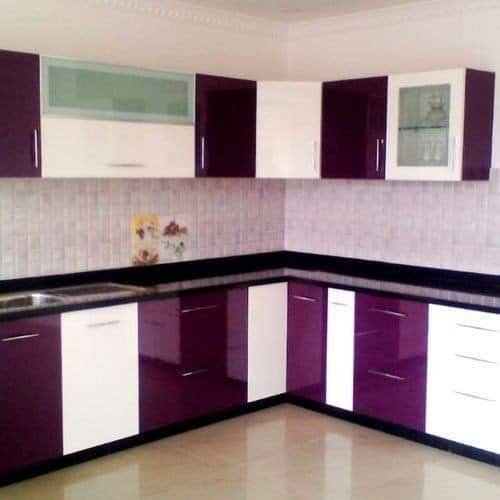
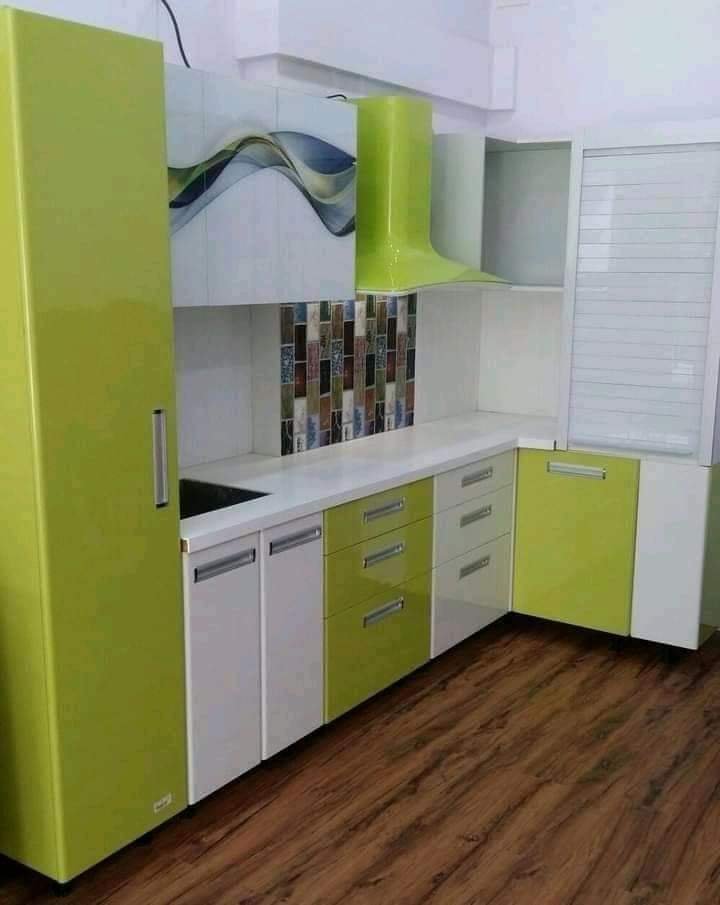


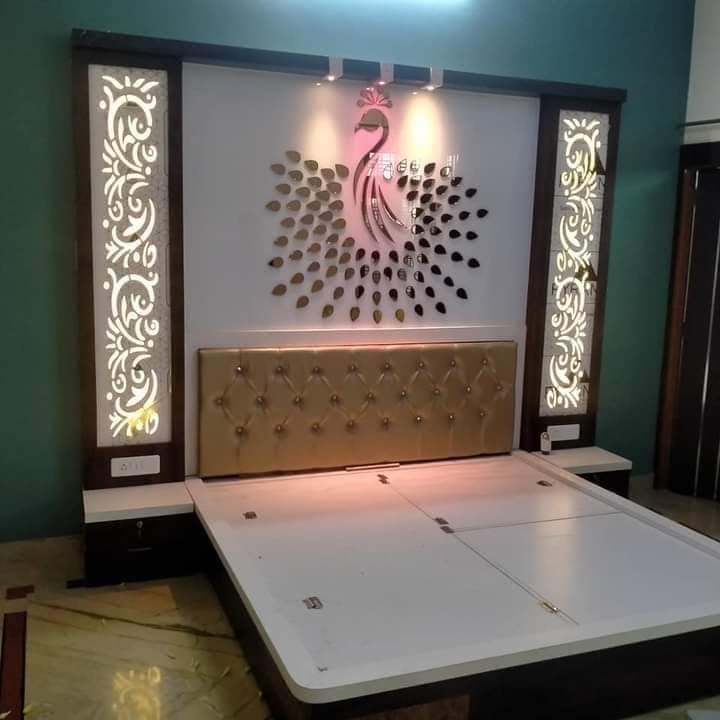
Before publishing, check each image and ensure its caption and alt text accurately describe the actual photograph. Replace these general interior images with completed living room projects wherever possible.
Common Mistakes When Choosing Colours for a Small Living Room
- Choosing paint under showroom lighting: The shade may look different in your home. Test it in the actual room.
- Using too many competing colours: Establish a main colour, a supporting shade and a limited number of accents.
- Ignoring the floor: Flooring occupies a large visual area and affects how wall colours appear.
- Painting every wall a very dark colour without testing: Deep colours can look attractive, but consider the room’s lighting and proportions first.
- Forgetting the ceiling and trim: These surfaces influence the overall balance of the palette.
- Choosing colours from photographs alone: Screens, filters and photography can alter the appearance of a paint shade.
- Ignoring practical cleaning needs: Ask the paint supplier about the finish, cleanability and suitability for your walls.
- Using a high-gloss finish everywhere: Reflective finishes can highlight wall imperfections. Choose a finish suited to the surface and desired appearance.
Checklist Before Painting Your Small Living Room
- Measure the room and note its ceiling height.
- Observe natural light at different times of day.
- Identify the undertones of the existing floor and furniture.
- Select two or three colour options to test.
- Test paint samples on the actual wall or a suitable sample board.
- Review the colours with your usual artificial lighting.
- Decide whether an accent wall is necessary.
- Choose a ceiling and trim colour that works with the walls.
- Confirm the paint finish and surface preparation requirements.
- Check the manufacturer’s instructions for coverage and drying time.
- Protect furniture and flooring before painting begins.
- Keep the selected paint shade and product details for future touch-ups.
How Interior Design Can Improve a Small Living Room
Wall colour is only one part of a successful small living room design. Furniture dimensions, storage, lighting, curtains, mirrors and circulation space also affect how comfortable the room feels.
A coordinated design can help connect the colour palette with the TV unit, sofa, flooring and other interior finishes. Before finalizing the paint, consider how the room will be used for family time, entertaining guests and everyday activities.
Explore our premium home interior design services or visit the Dwarka Interiors homepage to learn more about residential interior planning.
Frequently Asked Questions
1. Which colour is best for a small living room?
Warm white, soft cream, light beige and light greige are versatile choices for many compact living rooms. Pale sage green and powder blue are useful alternatives when you want a subtle colour. The best choice depends on lighting, furniture, flooring and personal preference.
2. Which wall colour makes a small living room look bigger?
Light, balanced shades such as warm white, cream and pale neutral colours can help a small room feel brighter and more open. They cannot change the room’s actual dimensions, but they can influence how the space is perceived.
3. Is white a good colour for a small living room?
Yes. White can create a bright and flexible backdrop. Warm whites may feel more inviting than stark whites in some homes. Test the shade alongside your floor and furniture before selecting it.
4. Are dark colours suitable for small living rooms?
Yes, when used intentionally. Deep green, navy or charcoal can create a focal point or add depth. Consider the amount of daylight, the size of the accent area and the balance of lighter surfaces.
5. Which two colours are best for living room walls?
Warm white and beige, sage green and cream, or powder blue and white are versatile combinations. Choose shades that complement your flooring and furniture rather than selecting them in isolation.
6. Which colour is suitable for a small living room with little sunlight?
Consider warm white, soft cream or a pale warm neutral. Use suitable artificial lighting and avoid heavy window coverings that block available daylight. Always test the paint in the room because undertones can change under low light.
7. Should the ceiling be white in a small living room?
A light ceiling is a practical choice for many compact rooms because it keeps the upper surface visually bright. A warm white or very pale neutral can work well with a range of wall colours.
8. Which colour goes well with a grey sofa?
Warm white, light greige, pale blue and some muted greens can work well with a grey sofa. The sofa’s undertone and the floor colour should guide the final selection.
9. How do I select the correct paint shade?
Shortlist a few shades, test samples on a suitable surface and review them at different times of day. Compare them with your furniture, flooring and artificial lights before making a final decision.
10. Can an accent wall work in a small living room?
Yes. A carefully selected accent wall can create a focal point without overwhelming the room. Keep the other surfaces coordinated and consider the placement of the sofa, TV unit and artwork.
Planning a Small Living Room Makeover?
Choose a colour palette that suits your room’s light, furniture, flooring and everyday needs. A well-planned combination can make a compact living room feel more cohesive, comfortable and personal.