How to Maximise Storage in a Small Flat: 15 Smart Ideas
Living in a compact flat does not mean you have to compromise on comfort or organisation. With the right storage furniture, thoughtful layouts and clever use of unused spaces, even a small 1 BHK or 2 BHK apartment can feel more organised and functional.
Discover practical storage solutions for small flats, from floor-to-ceiling wardrobes and hydraulic beds to compact kitchen organisers, floating cabinets and multifunctional furniture designed for everyday Indian living.
How to Maximise Storage in a Small Flat
The most effective storage plan starts with understanding what you own, where you use it and how frequently you need to access it. Buying more cupboards without planning their location can make a small flat feel crowded instead of organised.
Begin by identifying unused vertical space, areas under furniture, awkward corners and walls that could support storage. Then decide which belongings should be easily accessible and which can be stored in less frequently used locations.
Use vertical space
Plan tall wardrobes, overhead cabinets and wall shelves to make better use of the available wall height.
Choose multifunctional furniture
Look for furniture that provides seating, sleeping, working or dining space along with useful storage.
Store items near where they are used
Keep everyday kitchen tools near the cooking area, footwear near the entrance and bedding close to the bedroom.
Protect movement space
Storage should not obstruct doors, windows, wardrobes, kitchen drawers or the natural walking paths through your flat.
15 Smart Storage Ideas for Small Flats
1. Install Floor-to-Ceiling Wardrobes
Standard-height wardrobes can leave unused space above them where dust and clutter collect. A properly planned floor-to-ceiling wardrobe makes use of more of the available wall height and creates a continuous visual line.
- Keep everyday clothing and accessories at accessible heights.
- Use upper compartments for luggage, spare bedding and seasonal items.
- Plan hanging rails, drawers and shelves around the items you own.
- Consider finishes that coordinate with the wall to reduce visual bulk.
Best for: Bedrooms, compact apartments and homes with limited cupboard space.
2. Choose a Hydraulic Storage Bed
A hydraulic storage bed provides access to the space beneath the mattress. It can be useful for storing spare blankets, winter bedding, luggage and other items that do not need to be accessed every day.
- Check the available internal storage dimensions.
- Ensure there is enough space to lift the mattress platform safely.
- Choose reliable lifting hardware and confirm the warranty.
- Avoid placing damp items inside enclosed storage.
Best for: Bedrooms without enough space for a separate storage cabinet.
3. Use Wall-Mounted Cabinets
Wall-mounted cabinets can provide storage without using the full floor footprint of a freestanding unit. They are useful in living rooms, kitchens, study areas and selected bathroom locations.
Plan the cabinet height so that it remains accessible and does not interfere with windows, switches, doors or circulation. Heavy cabinets must be fixed to suitable structural support using appropriate hardware.
Best for: Small rooms where floor space is limited.
4. Add Storage Under the Sofa
Some compact sofas include drawers or lift-up storage for blankets, cushions, toys and other living room essentials. This can reduce the need for additional cupboards.
Choose a design that allows easy access without moving heavy furniture. Keep frequently used items in the most accessible compartments.
Best for: Living rooms with limited space for sideboards or storage units.
5. Choose a Coffee Table with Hidden Storage
A lift-top coffee table or a table with drawers can store remotes, magazines, board games, chargers and small accessories. It combines a useful tabletop with discreet storage.
Check the table’s size, opening mechanism and clearance from the sofa before purchasing it.
Best for: Small living rooms where extra furniture would make movement difficult.
6. Make Better Use of Kitchen Corners
Kitchen corners can be difficult to access when shelves and cabinets are not planned carefully. Depending on the layout, corner shelves, pull-out systems or rotating storage mechanisms can help make these areas more useful.
- Store heavier utensils where they can be reached safely.
- Use drawer dividers for cutlery and cooking tools.
- Plan pantry shelves according to packet, jar and appliance sizes.
- Keep frequently used items close to the cooking zone.
Best for: Compact kitchens with limited countertop and cabinet space.
7. Use the Space Above Doors
The area above a door may be suitable for a compact overhead cabinet or shelf, provided the wall construction and clearance allow it. This can be useful for storing lightweight or rarely used items.
Do not block ventilation, door movement or access to electrical and service points. Heavy overhead storage should be professionally designed and securely installed.
Best for: Hallways, utility areas and rooms with limited free wall space.
8. Create a Compact Entryway Storage Zone
A well-planned entrance can prevent shoes, bags, keys and everyday belongings from spreading into the living room. A slim shoe cabinet, wall hooks and a small tray can provide a dedicated place for daily essentials.
Choose a cabinet depth that allows the main door to open comfortably and does not narrow the entrance walkway.
Best for: Flats without a separate foyer or hallway.
9. Add Storage Drawers to a Study Desk
A compact study desk with drawers or overhead shelves can keep stationery, documents, chargers and work accessories organised. In a small flat, a fold-down wall desk may be useful when the workspace is not required all day.
Plan electrical sockets, lighting, cable management and a comfortable seating position before fixing the desk.
Best for: Work-from-home arrangements and study corners.
10. Use Storage Ottomans and Benches
An ottoman with a storage compartment can function as a footrest, extra seat and place to keep small household items. A storage bench can serve a similar purpose near an entrance or window.
Make sure the lid opens safely and the furniture does not obstruct a doorway or walking route.
Best for: Living rooms, bedrooms and entryways.
11. Organise the Wardrobe Interior
Sometimes the problem is not a small wardrobe but an inefficient internal arrangement. Reorganising shelves, drawers and hanging space can improve access without increasing the cupboard size.
- Separate long garments from folded clothing.
- Use drawer dividers for smaller items.
- Keep daily clothing at reachable heights.
- Use upper shelves for seasonal or occasional items.
- Review unused clothing before adding more storage accessories.
Best for: Bedrooms where wardrobes are full but poorly organised.
12. Install Pull-Out Pantry Storage
A pull-out pantry can make narrow kitchen spaces more accessible. It may be suitable for packaged groceries, bottles and frequently used dry ingredients when the unit is designed for the intended load.
Measure the cabinet opening and confirm the hardware capacity before installation. Keep food storage dry, clean and protected from heat.
Best for: Compact kitchens with limited dedicated pantry space.
13. Use Vertical Shelves in Unused Corners
A narrow shelf unit can use an otherwise empty corner for books, plants, decor, baskets or selected everyday items. Tall, narrow storage may use less floor area than a wide cabinet.
Keep the shelves visually organised and securely fixed. Avoid filling every shelf with small decorative objects, which can make a compact room look cluttered.
Best for: Living rooms, study corners and bedrooms.
14. Use Space Behind Doors
Over-door organisers, hooks and slim hanging storage can hold accessories, cleaning items, bags or selected household essentials. Check the door’s weight capacity, hinge clearance and the space available when it opens.
For rented flats, removable options may help avoid drilling, subject to the manufacturer’s instructions and the door surface.
Best for: Bathrooms, utility spaces, wardrobes and bedrooms.
15. Plan a Dedicated Utility Storage Area
Cleaning supplies, ironing equipment, laundry products and spare household items can quickly occupy valuable living space. A compact utility cabinet or carefully organised shelf can keep these items together.
Keep cleaning chemicals away from food, children and pets. Allow ventilation where needed and avoid blocking access to plumbing, drains or electrical panels.
Best for: Flats with a utility balcony, laundry corner or service area.
Room-by-Room Storage Solutions for a Small Flat
Storage works best when it follows the way you use each room. The goal is to keep everyday items accessible while storing occasional items out of the main living areas.
| Room | Storage Ideas | Planning Priority |
|---|---|---|
| Living room | Floating TV unit, storage ottoman, closed cabinets, nesting tables | Keep the floor and walking routes clear. |
| Bedroom | Hydraulic bed, efficient wardrobe, bedside drawers, overhead storage | Maintain comfortable access to the bed and wardrobe. |
| Kitchen | Drawer dividers, corner units, pull-out pantry, overhead cabinets | Keep cooking essentials accessible and counters usable. |
| Bathroom | Mirror cabinet, vanity drawers, wall shelves, slim organisers | Use moisture-suitable materials and preserve safe movement. |
| Entrance | Slim shoe cabinet, hooks, small bench, key organiser | Allow the main door to open fully. |
| Study area | Wall desk, drawer unit, vertical shelving, cable organiser | Provide task lighting and a comfortable work position. |
| Utility area | Laundry shelves, cleaning cabinet, wall hooks, labelled containers | Keep service access and ventilation unobstructed. |
Best Multifunctional Furniture for Small Flats
Multifunctional furniture combines two or more uses in a single footprint. It can be particularly helpful in studio apartments, compact 1 BHK homes and small living rooms where there is little room for separate pieces.
Sofa-cum-bed
Provides seating during the day and a sleeping surface when needed. Check the opened dimensions and the space required to convert it.
Hydraulic bed
Uses the area beneath the mattress for bedding, luggage or occasional-use items. Confirm the lifting mechanism and access requirements.
Extendable dining table
Offers a smaller everyday footprint while allowing additional seating when guests visit.
Fold-down study desk
Creates a workspace that can be folded away when not in use. Plan its fixing, cable routing and open position carefully.
Storage bench
Combines seating with a compartment for selected household items, footwear or accessories.
Nesting tables
Provide additional surfaces when required and can be stacked together to save space afterwards.
How to Make Storage Look Less Bulky
In a small flat, the visual appearance of storage matters as much as its capacity. Large contrasting cupboards and too many open shelves can make a room feel busy.
Use coordinated finishes
Wardrobes and cabinets in colours similar to the wall can create a more continuous appearance. Light wood, warm white, beige and muted neutral finishes are useful options, depending on the existing interior.
Balance open and closed storage
Closed cabinets are useful for concealing everyday clutter. Open shelves can display books and selected decor, but leaving some empty space helps keep the arrangement visually calm.
Prefer appropriately sized furniture
Choose storage units that fit the room rather than filling every available wall. A narrow, tall cabinet may work better than a deep unit that restricts movement.
Keep the floor visible where possible
Wall-mounted units and furniture with visible legs can create a lighter visual effect. Use them where practical, without compromising stability or useful storage capacity.
Budget-Friendly Storage Improvements
You do not need to renovate the entire flat to improve storage. Start with small changes that solve a specific problem and expand the plan only when necessary.
Low-cost changes
- Use drawer dividers and labelled boxes.
- Arrange clothing by type and frequency of use.
- Use suitable organisers behind doors.
- Declutter countertops and open shelves.
- Group similar household items together.
Moderate improvements
- Add a storage bench or ottoman.
- Install appropriate wall shelves.
- Use modular pantry and wardrobe accessories.
- Choose a compact coffee table with storage.
- Reorganise existing cupboards with adjustable shelves.
Custom interior work
- Plan floor-to-ceiling wardrobes.
- Build a fitted TV unit with concealed storage.
- Design a compact study or work-from-home area.
- Improve kitchen corner and pantry storage.
- Integrate storage into the original room layout.
Where to spend carefully
- Use reliable hardware for heavy drawers and lift-up systems.
- Specify suitable materials for moisture-prone areas.
- Ensure heavy wall cabinets have appropriate support.
- Compare itemized quotations before ordering custom furniture.
- Keep access to electrical and plumbing services.
For custom furniture, compare the board or material specification, dimensions, finish, hardware, installation and warranty. A lower initial price may not represent the best value if essential components or fitting charges are excluded.
Storage Ideas for 1 BHK and 2 BHK Flats
Storage planning for a 1 BHK flat
In a compact 1 BHK, focus on multifunctional furniture and storage that uses wall height. A well-planned wardrobe, storage bed, compact dining table and efficient kitchen cabinets may solve several everyday problems without adding too many separate units.
- Combine the TV unit with closed storage where appropriate.
- Use a compact dining or work surface that fits the layout.
- Keep seasonal belongings in designated upper or under-bed storage.
- Maintain a clear circulation route between the entrance, kitchen and living area.
Storage planning for a 2 BHK flat
A 2 BHK offers more opportunities to assign specific storage zones. Use bedroom wardrobes for clothing, kitchen cabinets for food and utensils, and a dedicated area for cleaning supplies, luggage and seasonal items.
- Separate everyday belongings from occasional-use items.
- Plan storage for each bedroom based on its occupants.
- Use the entrance for shoes, bags and daily essentials.
- Avoid duplicating bulky cabinets in every room when one suitable storage zone can serve the household.
Small Flat Storage Inspiration Gallery
Use these residential interior images as general inspiration for furniture, finishes and space planning. Where possible, replace them with actual projects showing wardrobes, storage beds, kitchen organisers or built-in cabinets.
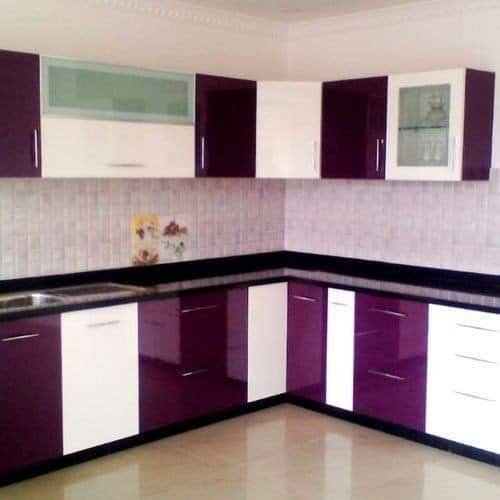
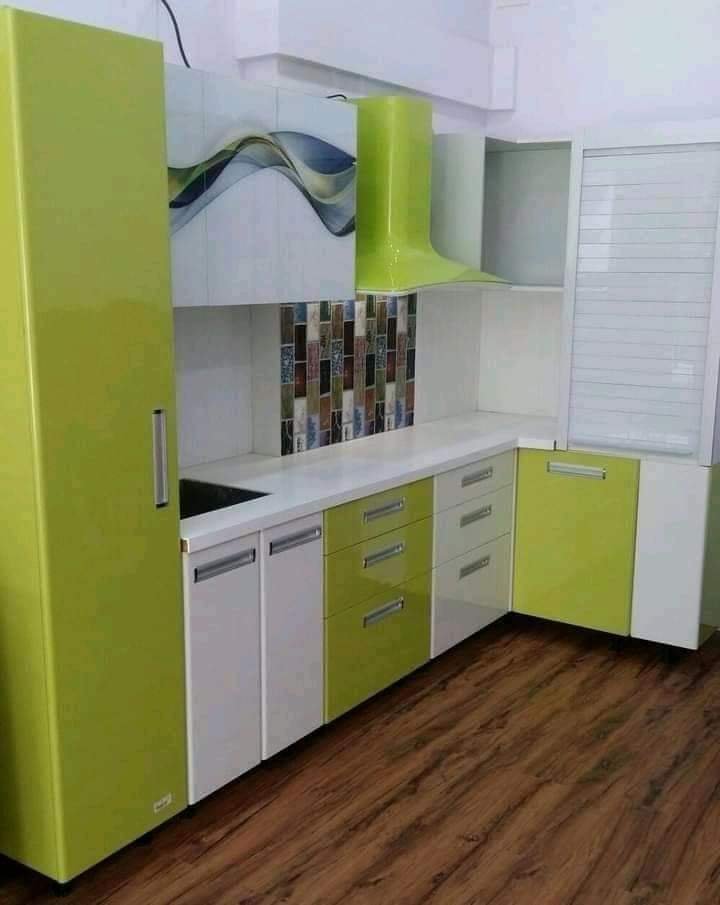


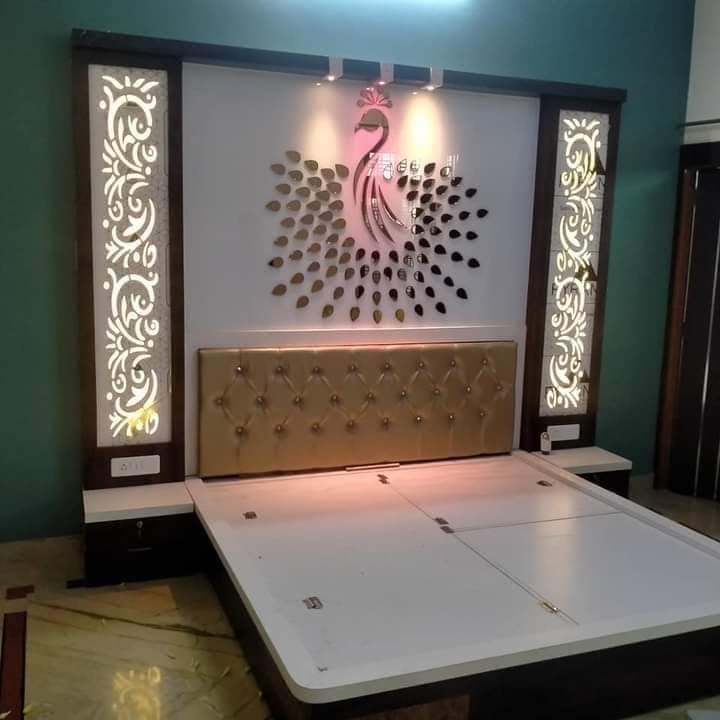
Verify that each image loads and accurately matches its alt text before publishing. Original project images of storage furniture will improve the relevance of this gallery.
Common Storage Mistakes to Avoid in Small Flats
- Buying furniture before measuring: Check the room, unit dimensions, door swing and access routes first.
- Adding storage everywhere: Keep some wall and floor areas free to prevent a cramped appearance.
- Ignoring accessibility: Frequently used items should not be placed on difficult-to-reach upper shelves.
- Choosing oversized cabinets: Excessive depth can make movement and cleaning difficult.
- Storing damp items in closed compartments: Ensure items are dry and the storage is suitable for the conditions.
- Using open shelves for everything: Too many visible objects can make rooms look cluttered.
- Forgetting maintenance access: Avoid blocking electrical panels, plumbing connections, ventilation or service openings.
- Choosing complex furniture that is difficult to use: Check lifting mechanisms, drawer movement and access before buying.
- Not planning for future needs: Consider changes in household size, work arrangements and belongings.
- Keeping items without a clear purpose: Review belongings before purchasing additional storage.
Small Flat Storage Planning Checklist
Use this checklist before buying furniture or starting custom interior work.
- List the main categories of belongings that need storage.
- Separate everyday items from seasonal and occasional-use items.
- Measure walls, corners, ceiling height and available furniture depth.
- Check the opening space required for doors, drawers and lift-up furniture.
- Identify suitable vertical storage opportunities.
- Consider under-bed, under-seat and overhead storage where practical.
- Choose multifunctional furniture only where its extra function is useful.
- Plan kitchen storage around actual utensils, appliances and groceries.
- Keep walkways, windows and service access unobstructed.
- Choose materials appropriate to the room and moisture conditions.
- Confirm hardware, installation, finish and warranty in writing.
- Compare itemized quotations for custom furniture.
- Label storage zones and return frequently used items to their designated places.
- Review the arrangement after use and adjust it as household needs change.
How Professional Interior Design Helps with Small Flat Storage
A thoughtful interior plan connects storage with the layout of the entire home. Wardrobes, kitchen cabinets, TV units, study spaces and entrance storage can be designed together so that they serve specific needs without competing for valuable floor area.
Professional planning can also help identify awkward corners, coordinate cabinet finishes and choose practical storage mechanisms. The objective is not to fill every available space with furniture, but to provide enough accessible storage while preserving comfort and movement.
Explore our premium home interior design services or read our checklist before hiring an interior contractor before planning custom work.
Frequently Asked Questions
1. How can I maximise storage in a small flat?
Start by using vertical space, organising existing cupboards, choosing suitable multifunctional furniture and storing items near where they are used. Measure the available space before adding new cabinets or shelves.
2. What is the best storage solution for a small 1 BHK flat?
A combination of an efficient wardrobe, under-bed storage, compact kitchen organisers and multifunctional living room furniture can work well. The best arrangement depends on the flat’s layout and the household’s storage needs.
3. How do I make a small flat look less cluttered?
Use closed storage for everyday clutter, limit the number of decorative items on open shelves and keep walkways clear. Coordinated cabinet finishes and appropriately sized furniture can also help the interior feel more cohesive.
4. Is a hydraulic storage bed worth considering?
It can be useful when the space under the bed is otherwise unused and the stored items do not need daily access. Check the mechanism, internal dimensions, mattress compatibility and the clearance needed to open it safely.
5. How can I add kitchen storage in a small flat?
Consider drawer dividers, vertical cabinet storage, suitable overhead cabinets, corner organisers and pull-out pantry systems. Plan the layout around your utensils and appliances, while preserving usable worktop space.
6. Are floor-to-ceiling wardrobes suitable for small bedrooms?
They can provide useful storage by making better use of the wall height. Confirm the cabinet depth, door movement and clearance around the bed before choosing the design.
7. How can I create storage without drilling into walls?
Depending on the room and the weight of the items, consider freestanding shelves, storage boxes, drawer organisers, ottomans or suitable over-door organisers. Heavy wall-mounted cabinets still require secure support and appropriate installation.
8. Which furniture is best for small apartments?
Useful options include storage beds, compact sofa-cum-beds, nesting tables, storage ottomans, extendable dining tables and fold-down desks. Select furniture based on the space it occupies in both its open and closed positions.
9. Is custom furniture better than ready-made furniture for small flats?
Custom furniture can fit awkward dimensions and use available wall space efficiently. Ready-made furniture may be quicker to obtain and easier to move. Compare dimensions, quality, cost, installation and future flexibility before deciding.
10. How should I plan storage for a small 2 BHK flat?
Assign storage zones by room and category. Use bedroom wardrobes for clothing, kitchen cabinets for food and utensils, entrance storage for daily essentials and a designated area for cleaning supplies and seasonal belongings.
11. Does adding more storage always make a small home better?
No. Too many cabinets can obstruct movement and make rooms feel crowded. The aim is to provide accessible, well-organised storage while preserving enough open space for comfortable daily use.
12. When should I plan storage during a home interior project?
Plan storage early, alongside the furniture layout and electrical and plumbing requirements. Early planning helps coordinate cabinet dimensions, access routes, finishes and installation before work begins.
Planning Smarter Storage for Your Flat?
Create a home that uses available space thoughtfully, keeps everyday essentials accessible and feels comfortable to move around in. Start with your storage needs, then select furniture and built-in solutions that suit the layout.