Storage Solutions for Compact Apartments
Make your home more organised and comfortable with smart storage solutions for compact apartments. From floor-to-ceiling wardrobes and under-bed drawers to modular kitchen organisers, hidden cabinets and multifunctional furniture, thoughtful storage planning helps you use available space more efficiently.
Dwarka Interiors helps homeowners plan practical interior layouts that balance storage, appearance and everyday movement. Whether you live in a studio, 1 BHK or 2 BHK flat, the right storage design can help reduce clutter without filling every corner with furniture.
Why Storage Planning Matters in Compact Apartments
Compact homes need storage that is easy to access, properly sized and integrated into the layout. Adding more cupboards is not always the answer. Poorly placed cabinets can block walkways, reduce usable floor space and make rooms feel crowded.
A practical storage plan begins by identifying what needs to be stored, how often each item is used and where it is most convenient to keep it. Everyday items should remain easy to reach, while seasonal clothing, spare bedding and luggage can be assigned to less frequently accessed areas.
- Use vertical wall space instead of occupying more floor area.
- Integrate storage into beds, benches, wardrobes and TV units.
- Use drawers and organisers to make existing cabinets more efficient.
- Keep frequently used items within easy reach.
- Preserve comfortable walking routes and access to windows and doors.
15 Smart Storage Solutions for Compact Apartments
These storage ideas can be adapted to different room sizes, budgets and household requirements. Choose options according to your available dimensions and the items you need to store.
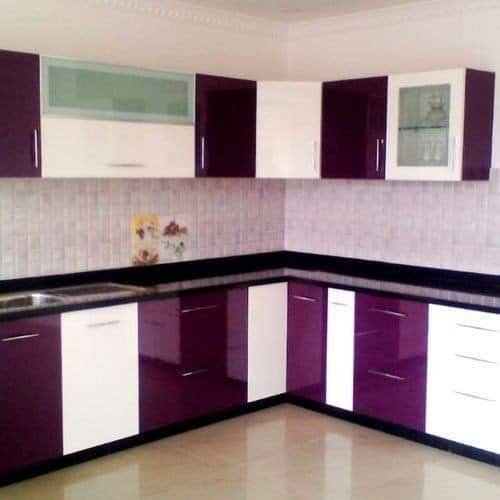
1. Floor-to-Ceiling Wardrobes
Use the full available wall height for hanging space, drawers, shelves and upper compartments. Less frequently used belongings can be stored in the higher sections.
Planning tip: Keep upper storage safe to access and choose sliding doors where swing clearance is limited.
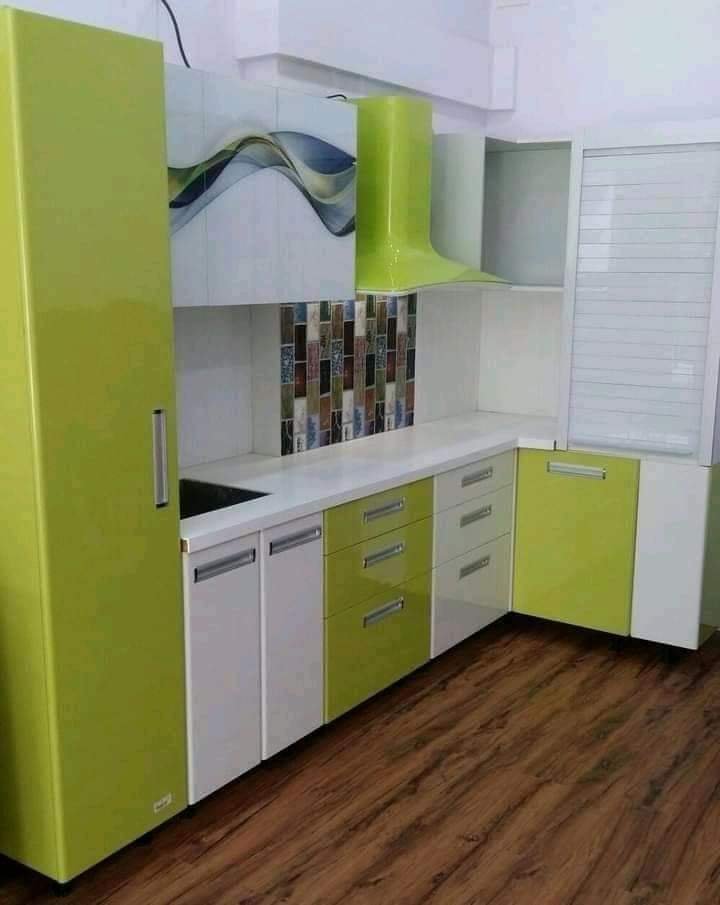
2. Under-Bed Storage
Use drawers or a lift-up bed base for spare bedding, suitcases, seasonal clothing and other items that do not need daily access.
Planning tip: Check mattress access, lifting mechanism quality and the available clearance beside the bed.

3. Storage Beds with Drawers
Drawer beds provide separate compartments for clothing, linens and smaller belongings. They can reduce the need for an extra chest of drawers.
Planning tip: Make sure drawers can open fully without hitting bedside tables or walls.

4. Wall-Mounted Shelves
Floating shelves and wall-mounted cabinets can hold books, small decor pieces, everyday essentials and selected household items without using additional floor space.
Planning tip: Use appropriate fixings for the wall construction and intended load.

5. Multifunctional Furniture
Choose furniture that performs more than one role, such as a storage ottoman, sofa-cum-bed, bench with drawers or coffee table with a storage compartment.
Planning tip: Check that the extra function is practical enough to use regularly.
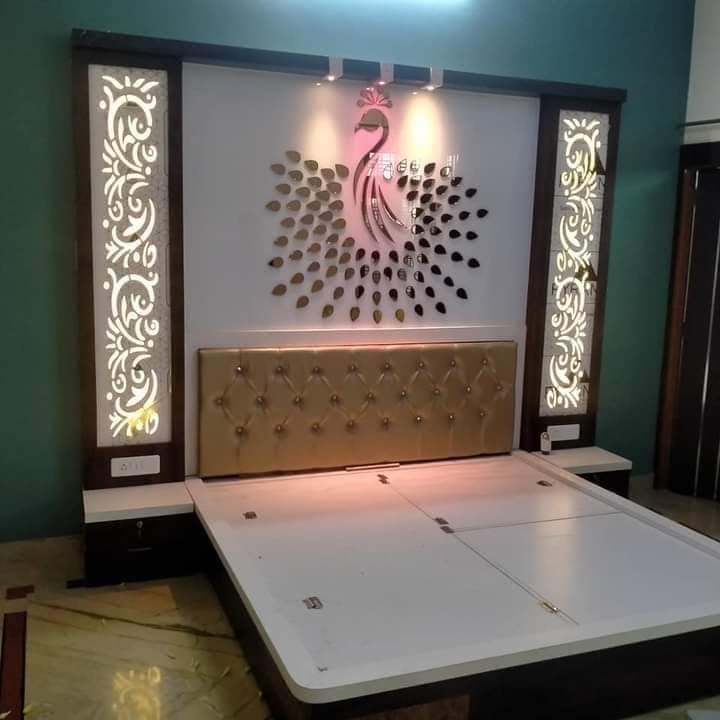
6. TV Units with Concealed Storage
A well-planned TV unit can store remotes, cables, books, media accessories and other small items while keeping the living room visually organised.
Planning tip: Include ventilation and easy access to electrical connections.

7. Wardrobe Organisers
Use a combination of hanging rails, adjustable shelves, drawers, dividers and accessory trays to make existing wardrobe space easier to manage.
Planning tip: Organise the internal layout around your actual clothing and accessories.

8. Window Seats with Storage
A properly designed window bench can provide seating and concealed space for blankets, books or other household items.
Planning tip: Avoid obstructing windows, curtains, ventilation and access to the sill.

9. Entryway Shoe Cabinets
A slim shoe cabinet or storage bench can keep footwear organised near the entrance while maintaining a clear passage into the home.
Planning tip: Measure the entrance width and door swing before selecting the cabinet depth.

10. Kitchen Pull-Out Storage
Pull-out pantry units, drawer dividers and accessible corner solutions can make cooking supplies and utensils easier to reach.
Planning tip: Choose suitable hardware and consider the weight of stored items.

11. Overhead Cabinets
Overhead cabinets can store seasonal belongings, extra linens and items used less frequently. They are useful when planned around existing doors, windows and furniture.
Planning tip: Keep heavy items in accessible lower compartments and secure cabinets appropriately.

12. Bathroom Wall Storage
Mirror cabinets, recessed niches and suitable wall shelves can organise toiletries without filling the bathroom floor with extra units.
Planning tip: Use moisture-appropriate materials and keep electrical fittings and plumbing access in mind.

13. Storage Benches
Benches with internal compartments can provide seating in a dining area, bedroom or entrance while storing selected household essentials.
Planning tip: Check seat height, lid safety and the space needed to open the compartment.

14. Foldable Workstations
A wall-mounted desk or a workstation integrated into a cabinet can create a home office without permanently occupying a large area.
Planning tip: Plan working height, task lighting, cable access and secure wall support.

15. Custom Corner Cabinets
Carefully designed corner units can use awkward spaces for books, cleaning supplies, accessories or other items that need a dedicated place.
Planning tip: Prioritise access and avoid deep compartments that make stored items difficult to reach.
Room-by-Room Storage Solutions for Small Flats
Living Room Storage
Keep the living room functional by combining visible display space with concealed storage. Too many separate cabinets can make a compact room feel crowded, so plan storage around the furniture layout.
- Use a TV console with closed cabinets.
- Choose nesting tables or a storage ottoman.
- Install a few well-positioned wall shelves.
- Use baskets or drawers for frequently used accessories.
- Keep windows and primary walking routes clear.
Related guide: best colours for a small living room.
Bedroom Storage
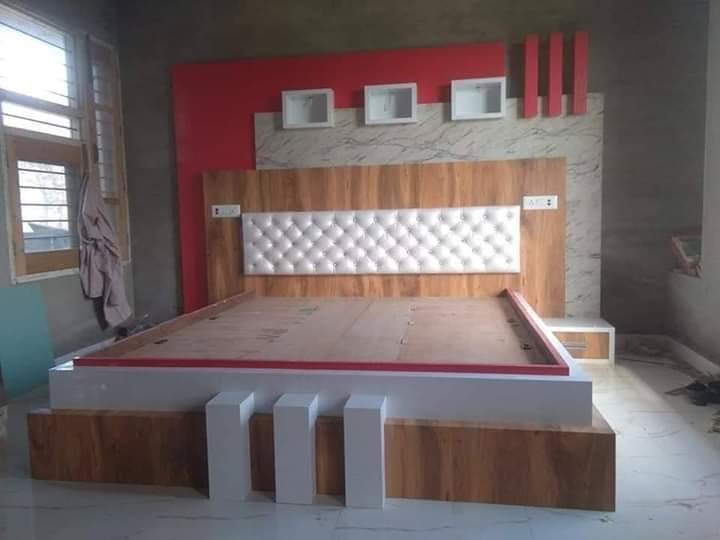
Bedrooms often require space for clothing, bedding, luggage and personal belongings. Storage beds, wardrobes with well-planned internal fittings and compact bedside drawers can reduce the need for separate furniture.
Use higher shelves for seasonal items and easy-to-reach drawers for everyday clothing. Before installing a large wardrobe, check the available wall length, door opening, bed position and access to windows.
Related guides: small bedroom wardrobe solutions and best wardrobe materials for Indian homes.
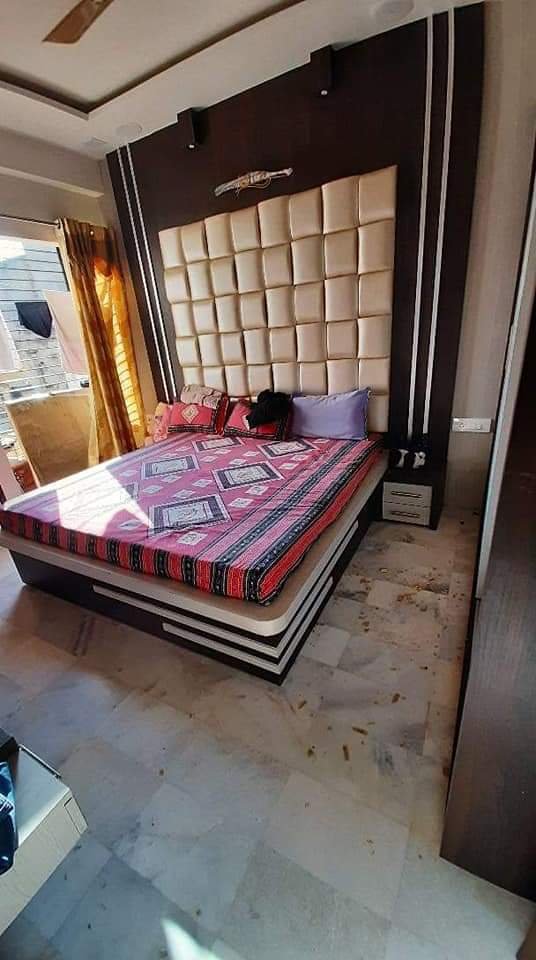
Kitchen Storage
Kitchen storage works best when items are organised according to how often they are used. Keep everyday utensils near the preparation area, cooking essentials near the hob where safe, and less frequently used equipment in higher cabinets.
- Use drawer dividers for cutlery and utensils.
- Consider pull-out pantry storage.
- Use suitable corner cabinet fittings.
- Keep countertops clear of rarely used appliances.
- Store cleaning products separately from food.
Read more: small kitchen storage ideas and how to plan a modular kitchen.
Entrance and Passage Storage
A narrow entrance can benefit from a slim shoe cabinet, wall hooks, a small key shelf or a compact bench. In passages, avoid deep storage units that reduce movement or interfere with doors. Use wall-mounted options where suitable, and keep emergency access routes clear.
Study Room and Work-from-Home Storage
Use a compact desk, wall shelves, drawer organisers and closed storage for documents and devices. If a separate study room is unavailable, consider a workstation integrated into a wardrobe or a foldable desk in a suitable corner.
Keep power sockets accessible, plan cable management and provide adequate lighting. Store everyday work items close to the desk so the surface remains usable.
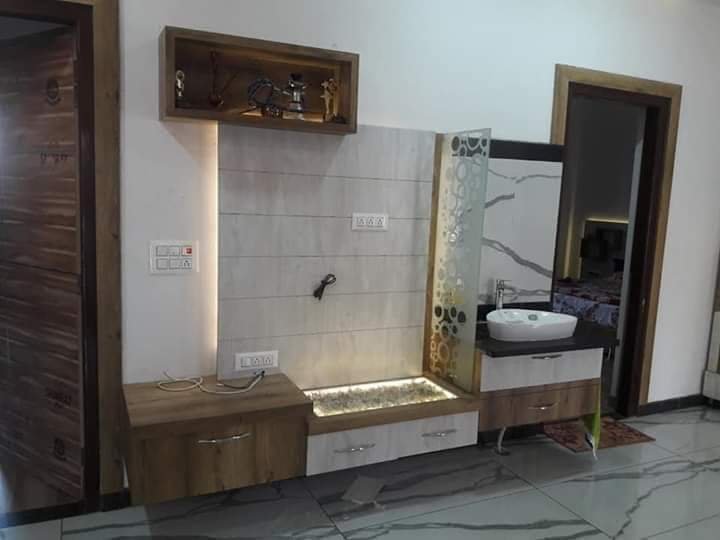
Storage Ideas for 1 BHK, 2 BHK and Studio Apartments
The ideal storage plan depends on your floor plan, family size, belongings and daily routines. These are starting points rather than fixed rules.
| Apartment Type | Useful Storage Options | Priority | What to Avoid |
|---|---|---|---|
| Studio apartment | Storage bed, wall shelves, foldable table, multifunctional seating | Preserve open floor space and separate activity zones | Too many freestanding units |
| 1 BHK flat | Floor-to-ceiling wardrobe, TV storage, under-bed drawers | Combine storage with essential furniture | Oversized cabinets that restrict circulation |
| 2 BHK flat | Bedroom wardrobes, kitchen organisers, overhead cabinets | Assign storage zones to each room | Duplicating storage without a clear purpose |
| Small family apartment | Storage benches, divided drawers, utility cabinets | Keep shared belongings organised and accessible | Putting frequently used items in hard-to-reach places |
| Rental apartment | Freestanding shelves, storage boxes, over-door organisers | Use flexible, removable solutions | Permanent modifications without landlord approval |
Built-In Storage vs Freestanding Furniture
Both options can work well. The choice depends on room dimensions, budget, how long you expect to stay in the home and whether you need a customised layout.
| Consideration | Built-In Storage | Freestanding Furniture |
|---|---|---|
| Space use | Can be designed around walls, niches and room dimensions | Available in standard sizes that may leave unused gaps |
| Flexibility | Usually more difficult to move | Can often be moved or rearranged |
| Customisation | Internal layouts and finishes can be tailored | Depends on the available product range |
| Installation | May require measurement, carpentry and fixed installation | May need only assembly and positioning |
| Best suited for | Long-term layouts with specific storage requirements | Flexible arrangements and many rental homes |
For many homes, a combination works best: built-in wardrobes and kitchen cabinets for core storage, paired with movable tables, baskets and small organisers for flexibility.
Affordable Storage Ideas Without a Full Renovation
You do not always need custom carpentry to improve storage. Begin with the spaces and cabinets you already have, then add furniture or organisers only where there is a clear need.
- Declutter first: Separate daily essentials, seasonal items and belongings you no longer need.
- Use drawer dividers: Organise small accessories, utensils and everyday essentials.
- Add stackable containers: Use suitable labelled boxes for cupboards, shelves and under-bed areas.
- Use vertical organisers: Make appropriate use of cabinet doors, walls and available shelf height.
- Rearrange existing furniture: Identify unused corners before purchasing new storage units.
- Choose movable furniture: Storage benches and compact cabinets can be useful if you may relocate.
- Prioritise frequently used items: Keep them accessible instead of hiding everything away.
If your home needs a broader update, explore our budget home makeover in Dwarka and affordable rental home makeover ideas.
How to Plan Custom Storage for Your Apartment
- List what needs to be stored: Include clothes, luggage, bedding, kitchen equipment, books and cleaning supplies.
- Measure available space: Record wall dimensions, ceiling height, door swings, windows, sockets and fixed obstructions.
- Decide what needs daily access: Keep regular-use items in easy-to-reach drawers and shelves.
- Select the right storage type: Compare drawers, shelves, pull-outs, loft cabinets and multifunctional furniture.
- Choose materials and hardware: Consider load, moisture exposure, finish, durability and maintenance.
- Review the layout: Confirm that doors, drawers and moving furniture can operate without obstruction.
- Set a realistic budget: Include materials, hardware, installation, finishing and any necessary electrical or civil work.
Planning storage as part of the full interior layout can help coordinate furniture sizes, finishes and circulation. Learn more about our premium home interior design service.
Common Storage Planning Mistakes to Avoid
- Adding cabinets everywhere: More storage can still leave a room feeling cramped if the layout is poorly planned.
- Ignoring accessibility: Deep shelves and high cabinets can be difficult to use if everyday items are stored there.
- Forgetting opening clearance: Drawers, wardrobe doors and lift-up beds need adequate operating space.
- Choosing unsuitable materials: Match boards, finishes and hardware to the intended use and environment.
- Neglecting ventilation: Do not block ventilation openings or access to appliances and services.
- Overlooking lighting: Deep cabinets and wardrobes may need suitable internal or nearby lighting.
- Storing everything in one place: Distribute storage by room and activity to make daily routines easier.
- Ignoring safety: Secure tall units properly and use appropriate fixings for wall-mounted storage.
Frequently Asked Questions About Storage Solutions for Compact Apartments
1. What are the best storage solutions for compact apartments?
Floor-to-ceiling wardrobes, under-bed storage, wall-mounted shelves, multifunctional furniture, kitchen pull-outs and storage benches can be useful. The right combination depends on your belongings, floor plan and everyday routines.
2. How can I increase storage in a small flat without making it look crowded?
Use vertical space, integrate storage into existing furniture, choose appropriately sized cabinets and keep walking routes clear. Closed storage can help reduce visible clutter, while a few open shelves can display selected items.
3. Is built-in storage better than freestanding furniture?
Built-in storage can be customised to the available space, while freestanding furniture is generally easier to move and rearrange. The better option depends on your budget, room dimensions, future plans and storage requirements.
4. What storage works best in a 1 BHK apartment?
A storage bed, a well-organised wardrobe, a compact TV unit and vertical shelves are useful starting points. Multifunctional furniture can reduce the need for separate pieces, provided the layout remains comfortable.
5. How can I improve kitchen storage in a compact apartment?
Use drawer organisers, pull-out pantry units, suitable corner fittings and vertical storage where appropriate. Group items by activity and keep everyday utensils and cooking essentials easy to reach.
6. Are custom storage cabinets expensive?
Costs depend on dimensions, materials, finishes, internal fittings, hardware and installation. Compare quotations based on the same specifications and ask for a clear breakdown of materials and work included.
7. What storage options are suitable for rental apartments?
Freestanding shelves, stackable containers, under-bed organisers, movable cabinets and over-door organisers can provide storage without major permanent changes. Check your rental agreement before drilling or installing fixed units.
8. Can storage solutions be customised for a small apartment in Dwarka?
Storage planning can be tailored to your room dimensions, belongings and preferred interior style. To discuss your requirements, contact Dwarka Interiors through the contact page.
Make Better Use of Every Corner of Your Home
Looking for practical storage solutions for a compact apartment? Plan wardrobes, kitchen storage, hidden cabinets and multifunctional furniture around your actual space and daily requirements.