Custom Kitchen Cabinet Manufacturer in Delhi
Looking for custom kitchen cabinets in Delhi that make better use of your kitchen space? Made-to-measure cabinets help organise cookware, utensils, groceries, appliances and everyday essentials while complementing the style of your home.
Dwarka Interiors helps homeowners plan kitchen interiors around their layout, storage needs, preferred finishes and budget. Whether you are setting up a new kitchen or upgrading existing cabinets, a well-planned design can balance appearance, accessibility and everyday functionality.
Custom Kitchen Cabinets Designed Around Your Space
Standard cabinet sizes may not suit every kitchen. Custom kitchen cabinets can be planned around available wall lengths, corner spaces, ceiling height, plumbing points, appliances and the way your family uses the kitchen.
Lower Kitchen Cabinets
Organise cookware, utensils, cleaning supplies and other everyday items in practical base units with suitable shelves, drawers or pull-out accessories.
Overhead Cabinets
Use available wall space for lighter kitchen items, serving dishes and other essentials. Cabinet height should suit the room and the user’s reach.
Pantry and Utility Cabinets
Plan tall units for groceries, small appliances and bulk storage, subject to available space and appropriate ventilation where required.
Corner Kitchen Cabinets
Make difficult corners more accessible with suitable shelves, rotating units or pull-out systems selected for the cabinet dimensions.
Built-In Appliance Units
Allow for the specified dimensions, clearances and ventilation requirements of ovens, microwaves and other integrated appliances.
Made-to-Measure Cabinets
Coordinate cabinet width, height, depth, internal divisions and shutter finishes to suit your floor plan and storage requirements.
Types of Kitchen Cabinet Materials
The cabinet material affects durability, moisture performance, cost, weight and finishing options. There is no single material that is ideal for every part of a kitchen. Choose according to the location of each cabinet, expected use and the manufacturer’s specifications.
Plywood Cabinets
Plywood is commonly used for kitchen cabinet carcasses and shutters. The appropriate grade should be selected for the expected exposure, particularly around sinks and other wet zones.
HDHMR Boards
High-density high-moisture-resistant boards can be suitable for selected cabinet applications. Check the specific board’s performance, edge-sealing requirements and installation guidance.
MDF Boards
MDF provides a smooth surface for certain decorative shutters and interior components. Its suitability depends on the product grade, moisture exposure and intended use.
Particle Board
Particle board may be considered for some budget-oriented applications. Evaluate its grade, edge protection, expected load and suitability for kitchen conditions.
Aluminium Cabinets
Aluminium can be an option for selected kitchen environments where moisture resistance is a priority. Compare the construction, finish, hardware and overall design requirements.
Stainless Steel Cabinets
Stainless steel offers a different look and material performance from wood-based cabinets. Grade, thickness, fabrication quality and finish affect the final product.
Kitchen Cabinet Shutter Finishes
The shutter finish has a major impact on the appearance of the kitchen. Choose a finish that suits your design style, cleaning routine, lighting and budget.
| Finish | Appearance | Points to Consider |
|---|---|---|
| Laminate | Available in matte, textured, wood-look and selected glossy designs. | Compare surface quality, edge banding, scratch resistance and cleaning instructions. |
| Acrylic | Smooth, reflective finish suited to contemporary kitchens. | Consider fingerprints, glare, cleaning requirements and edge finishing. |
| PVC or membrane finish | Can offer a continuous finish across selected shutter profiles. | Check product quality, heat exposure limits and maintenance instructions. |
| PU paint | Painted finish available in different colours and sheen levels. | Quality depends on preparation, application, curing and the selected coating system. |
| Veneer | Natural wood appearance with variations in grain and tone. | Requires appropriate finishing and care; appearance may vary with natural grain. |
| Glass shutters | Can create a lighter or display-oriented appearance. | Check glass type, frame construction, safety and hardware compatibility. |
Custom Kitchen Cabinet Designs for Different Layouts
Straight Kitchen Cabinets
A straight kitchen places the main cabinets along one wall. It can work well in compact apartments and kitchens where floor space is limited. Careful planning is needed to provide sufficient counter space and storage.
L-Shaped Kitchen Cabinets
An L-shaped layout uses two adjoining walls. It can help separate preparation and cooking areas while making use of a corner. Cabinet dimensions and corner access should be planned together.
Parallel Kitchen Cabinets
A parallel kitchen places cabinets along two facing walls. It can provide substantial storage and worktop area when the aisle width, appliance doors and movement space are considered.
U-Shaped Kitchen Cabinets
A U-shaped kitchen surrounds the work area on three sides. It offers scope for extensive storage but requires careful planning of corners, appliance positions and circulation space.
Island Kitchen Cabinets
An island may provide additional storage, preparation space or seating. It needs sufficient clearance around the island and appropriate planning for any electrical or plumbing services.
For a more detailed layout guide, visit how to plan a modular kitchen.
Smart Storage Features for Custom Kitchen Cabinets
Good cabinet design is not only about the exterior finish. The internal layout should make frequently used items easy to reach and reduce wasted space.
- Deep drawers: Organise pots, pans and heavier cookware where the cabinet design and hardware support the intended load.
- Cutlery organisers: Keep smaller utensils separated and easier to locate.
- Pull-out pantry: Make suitable narrow storage spaces easier to access.
- Corner accessories: Improve access to selected corner cabinets.
- Under-sink storage: Plan around plumbing, cleaning supplies and moisture protection.
- Appliance storage: Provide suitable dimensions and ventilation for appliances according to manufacturer requirements.
- Vertical dividers: Organise trays, chopping boards and baking sheets.
- Overhead storage: Use higher cabinets for less frequently used items, with safe access in mind.
- Soft-close hardware: Consider compatible hinges and drawer systems suited to the cabinet size and intended use.
- Lighting: Coordinate under-cabinet lighting and electrical points with the cabinet design before installation.
Custom Kitchen Cabinet Manufacturer Cost in Delhi
The cost of custom kitchen cabinets depends on the cabinet dimensions, layout, material, shutter finish, hardware and accessories. Installation, transportation, countertops and associated civil or electrical work may be priced separately.
| Cost Factor | How It Affects the Budget | What to Ask For |
|---|---|---|
| Cabinet quantity and size | More cabinets and larger units generally require more material and fabrication. | Dimensioned drawings and a unit-wise quantity breakdown. |
| Carcass material | Material grade, thickness and moisture suitability affect the specification. | Board or plywood grade, thickness and wet-zone treatment. |
| Shutter finish | Different laminates, acrylics, veneers and painted finishes have different costs. | Exact finish, colour, surface specification and sample. |
| Hardware | Hinges, drawer channels, lift systems and branded accessories affect the total. | Brand, product series, quantity and load rating where relevant. |
| Internal accessories | Pull-outs, baskets, organisers and corner systems add to the specification. | Individual accessory prices and dimensions. |
| Installation and delivery | Site access, transport, fitting and adjustments can change the final price. | Installation scope, delivery charges and exclusions. |
| Countertop and services | Countertops, backsplash, plumbing, electrical and civil work may be separate. | A clear list of included and excluded items. |
Some suppliers quote by running foot, others by cabinet unit, cabinet surface area or a complete kitchen package. These measurement methods are not interchangeable. Compare quotations only after confirming the same cabinet dimensions, materials and scope.
Our Custom Kitchen Cabinet Planning Process
A clear process helps align the design, manufacturing specification and installation requirements before materials are ordered or fabrication begins.
- Requirement discussion. Identify your kitchen layout, preferred style, storage needs, appliances and budget.
- Site measurement. Record wall dimensions, ceiling height, corners, plumbing points, electrical connections and appliance locations.
- Cabinet layout and design. Plan base units, overhead cabinets, tall storage, drawers and corner solutions around the available space.
- Material and finish selection. Finalise the cabinet core, shutter finish, hardware and accessories according to the agreed specification.
- Quotation and drawing approval. Review dimensions, quantities, exclusions, payment milestones and the proposed schedule.
- Manufacturing or fabrication. Production should follow the approved dimensions and material specifications.
- Delivery and installation. Fit the cabinets, align shutters, adjust hardware and coordinate any separately agreed work.
- Final inspection. Check door alignment, drawer operation, finish quality and the agreed handover items.
How to Choose a Custom Kitchen Cabinet Manufacturer
Before placing an order, compare manufacturers on their technical specifications, workmanship, installation arrangements and after-sales terms—not just the initial price.
- Confirm the material grade: Ask for the exact board or plywood specification rather than a general label such as premium or waterproof.
- Inspect finish samples: Compare colour, texture, edge treatment and the appearance under your kitchen lighting.
- Check hardware details: Confirm the brand and product range for hinges, channels, lift systems and pull-outs.
- Review cabinet drawings: Ensure measurements, appliance clearances, internal divisions and shutter openings are documented.
- Understand the manufacturing model: Ask who is responsible for fabrication, delivery, installation and quality checks.
- Get the warranty in writing: Confirm what is covered, the duration, exclusions and the process for reporting issues.
- Clarify the installation scope: Confirm who handles countertop fitting, plumbing, electrical work, wall repairs and final adjustments.
- Agree on payment milestones: Record the payment schedule, production approval process and how variations will be priced.
For broader home interior planning, explore our premium home interior services and read how to compare interior design quotations.
Kitchen Cabinet Design Inspiration
Use reference images to communicate the style, colour palette and overall look you prefer. The final cabinet design should be adapted to your actual kitchen measurements, appliances and storage requirements.
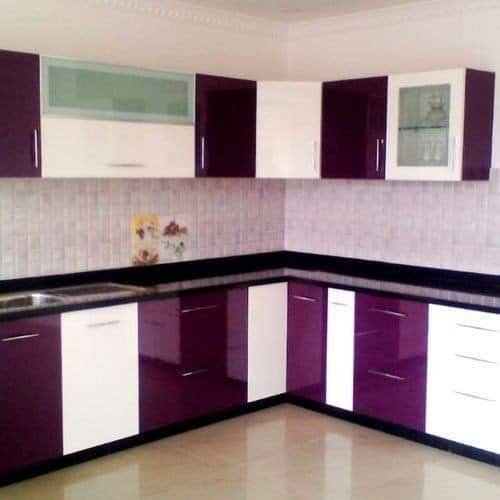
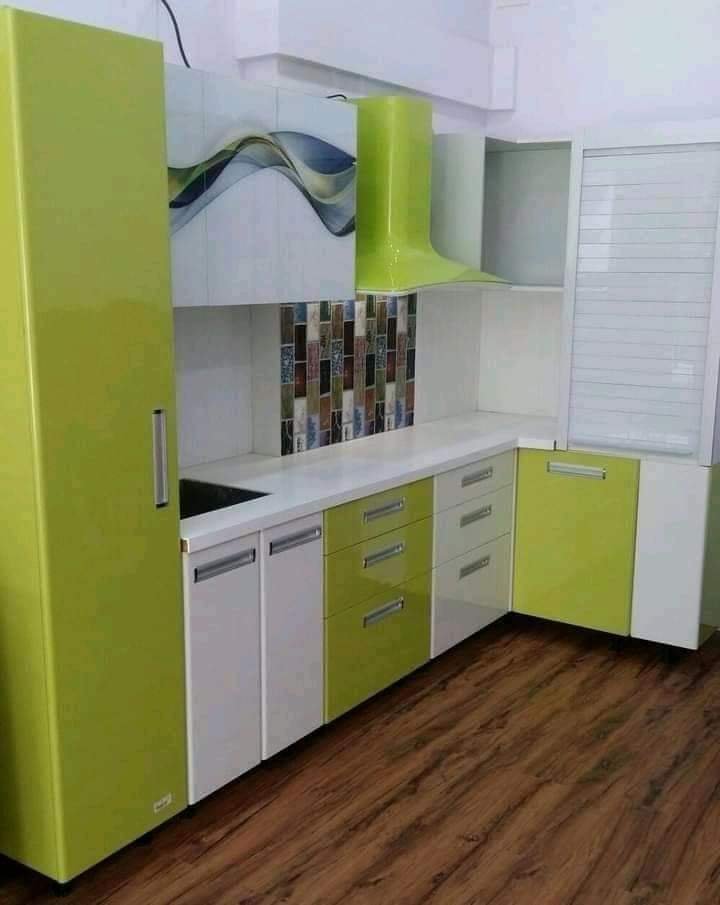


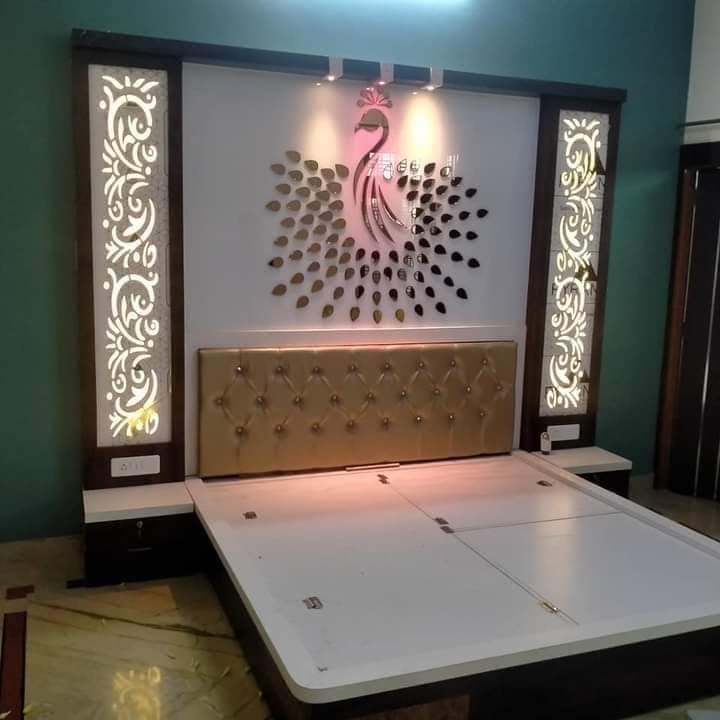
Verify every image URL and confirm the image matches its description before publishing. Replace general interior photos with actual kitchen cabinet projects wherever possible.
Frequently Asked Questions About Custom Kitchen Cabinets
What does a custom kitchen cabinet manufacturer do?
A custom cabinet manufacturer produces cabinets to suit specified dimensions, layouts, materials and finishes. Depending on the provider, the service may also include measurement, design support, delivery and installation. Confirm the exact scope before ordering.
How much do custom kitchen cabinets cost in Delhi?
The price depends on cabinet size, material, shutter finish, hardware, accessories and installation. Ask for a detailed quotation with clear units of measurement and a list of inclusions and exclusions.
Which material is best for kitchen cabinets?
The best choice depends on the cabinet location, moisture exposure, expected load, finish and budget. Compare the exact material grade and manufacturer’s guidance, particularly for cabinets near the sink.
Are custom kitchen cabinets better than standard cabinets?
Custom cabinets can make better use of unusual dimensions, corners and specific storage needs. Standard cabinets may be suitable when their sizes and layouts match the kitchen. Compare the total cost, available options and installation requirements.
Which finish is suitable for modular kitchen shutters?
Laminate, acrylic, membrane, painted finishes, veneer and glass each offer different appearances and maintenance requirements. Select the finish according to your preferred style, budget, cleaning routine and product specifications.
Can cabinets be customised for a small kitchen?
Yes. A small kitchen can benefit from carefully measured cabinets, efficient drawers, vertical storage and suitable corner solutions. Appliance clearances, access and worktop space should remain practical.
Does the cabinet price include the countertop?
Not necessarily. Countertops, sinks, faucets, appliances, backsplash, plumbing and electrical work may be quoted separately. Ask for a written list of included items before comparing prices.
How long does custom kitchen cabinet installation take?
The timeline depends on design approval, material availability, manufacturing or fabrication, site readiness and installation complexity. Request a project-specific schedule and confirm when the production timeline begins.
What should I check before approving cabinet manufacturing?
Review the final measurements, cabinet layout, material grades, shutter finish, hardware, accessories, appliance openings, quotation, delivery schedule and warranty. Record approved changes in writing before production.
Can custom kitchen cabinets be installed in an existing kitchen?
In many cases, yes. The existing cabinets may need to be removed, and walls, plumbing, electrical points and flooring should be assessed before new units are installed. Confirm removal and repair costs separately.
Planning Custom Kitchen Cabinets in Delhi?
Start with your kitchen dimensions, preferred materials, cabinet finish and storage requirements. Contact Dwarka Interiors to discuss your interior project and establish the scope for a detailed quotation.