Small Bedroom Wardrobe Solutions: Space-Saving Designs for Indian Homes
Finding enough wardrobe space in a small bedroom can be challenging. The right design should store clothes, accessories, bedding and daily essentials while leaving enough room to move comfortably around the bed. With careful measurements, efficient internal compartments and suitable door styles, even a compact bedroom can have practical storage.
Explore small bedroom wardrobe solutions for apartments, 1 BHK and 2 BHK flats, guest rooms and compact homes in Dwarka, Delhi. Learn how to compare sliding wardrobes, hinged shutters, loft storage, corner units, mirror panels and modular wardrobe interiors.
How to Choose the Right Wardrobe for a Small Bedroom
A wardrobe should be planned around the room, the bed position and the belongings that need to be stored. Choosing the largest possible cupboard is not always the best solution. A well-organised wardrobe with the right door configuration may be more useful than a larger unit that blocks circulation.
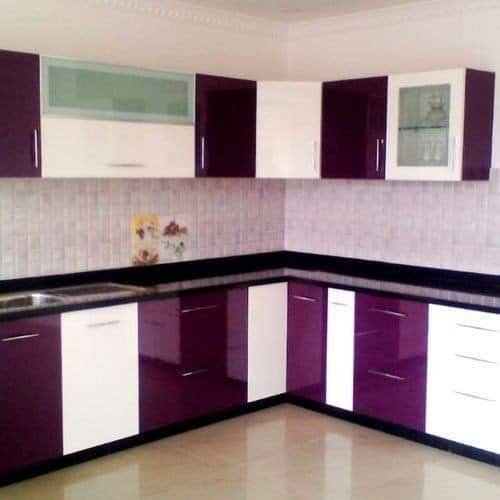
8 Space-Saving Wardrobe Solutions for Small Bedrooms
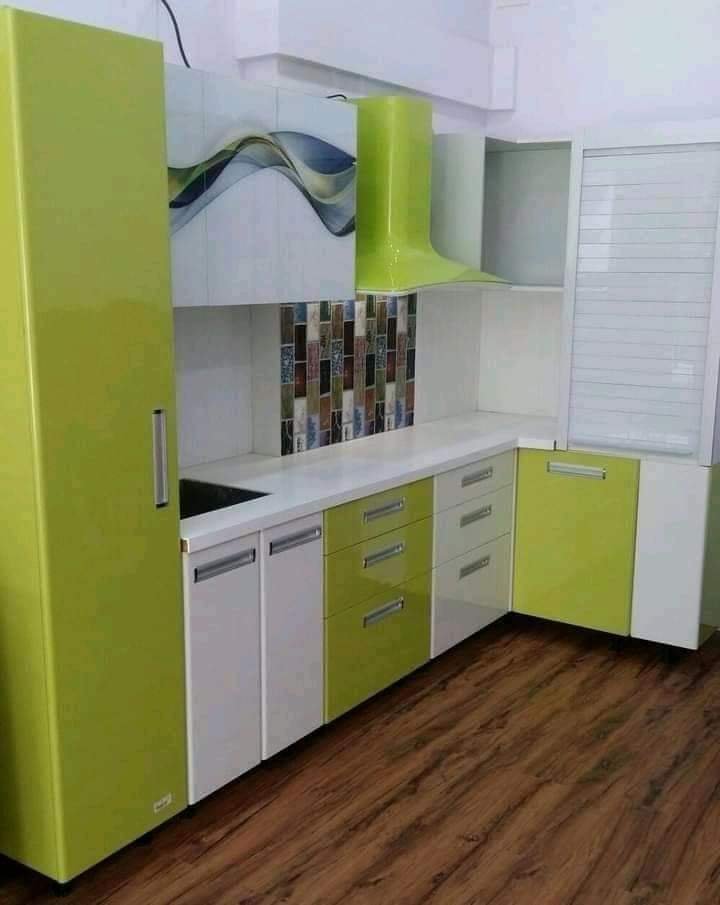
1. Sliding Door Wardrobe
Sliding shutters move along a track rather than swinging into the room. They can be useful when the bed or a narrow passage limits the clearance available for hinged doors.

2. Floor-to-Ceiling Wardrobe
Use suitable vertical space for extra shelves and upper compartments. Store seasonal clothing and occasional-use items above the frequently accessed sections.

3. Mirror-Finish Shutters
A mirror panel can combine dressing functionality with a visually open appearance. Use suitable safety-backed mirror products and professional installation where needed.

4. Wardrobe with Loft Storage
An upper cabinet can store spare linen, blankets, luggage and seasonal items, provided the height and installation are suitable for the room.
5. Corner Wardrobe
A corner configuration may use an awkward corner when a long straight wardrobe wall is unavailable. Check door access and internal reach before finalising the layout.

6. Wardrobe with Study Nook
In suitable rooms, storage can be planned alongside a compact desk or work surface. Ensure the chair can be pulled out without blocking the bed or wardrobe.

7. Wardrobe with Drawer Storage
Drawers help organise smaller garments, accessories and folded items. Place them at a comfortable height and select hardware suitable for the expected use.

8. Wall-Matched Wardrobe
Shutters in a similar tone to the walls can make a large storage unit feel less visually dominant. Use contrast through selected handles, trims or a restrained accent finish.
Sliding Wardrobe vs Hinged Wardrobe for Small Rooms
The best door type depends on room width, furniture placement, storage access and budget. Sliding doors can reduce the clearance needed in front of the wardrobe, while hinged doors provide a straightforward opening that can expose a wider section at once.
| Feature | Sliding wardrobe | Hinged wardrobe |
|---|---|---|
| Space in front | Does not need a door-swing area | Needs clearance for the open shutter |
| Access | Only the sections behind open panels are accessible at a time | Can provide wider access when doors are open |
| Hardware | Requires suitable tracks and rollers | Requires hinges and adequate door clearance |
| Design options | Suitable for selected mirror and panel finishes | Offers a wide range of shutter styles and configurations |
| Maintenance | Tracks should be kept clean and rollers checked | Hinges and alignment may need periodic adjustment |
| Best consideration | Useful when swing clearance is limited | Useful when there is enough space for doors to open |
How to Maximise Storage Inside a Small Wardrobe
The internal layout matters as much as the external design. Start by sorting the items you need to store, then allocate space for hanging clothes, folded garments, footwear, accessories and bedding.


- Double hanging: Use two hanging levels for shorter items when the wardrobe height allows.
- Long hanging section: Reserve a suitable section for dresses, coats and other longer garments.
- Adjustable shelves: Adapt shelf spacing for folded clothing, bags and linen.
- Drawers: Store small garments and accessories in defined compartments.
- Pull-out accessories: Consider trouser racks, belt holders or accessory trays where appropriate.
- Upper loft: Keep occasional-use items in a separate upper compartment.
- Footwear section: Use a suitable shelf or rack that is easy to clean and access.
- Decluttering: Review seldom-used items before increasing wardrobe size.
Explore our guide to maximising storage in a small flat for more ways to organise compact living spaces.
Best Wardrobe Colours for a Small Bedroom
Wardrobe finishes affect how the room feels visually. Lighter shades can blend with light walls, while wood textures and darker accents can add warmth or contrast. Consider natural light, flooring and the bed finish before choosing a colour.

White and Warm Neutrals
Useful for a restrained look that can coordinate with many wall colours, bedding styles and floor finishes.

Natural Wood Finishes
Add warmth and texture. Compare laminate, veneer and other finish options based on appearance, durability and maintenance.

Two-Tone Wardrobes
Combine a neutral base with one complementary finish. Keep strong contrasts limited if the room already has busy patterns.
Wardrobe Materials for Indian Homes
Select materials according to the wardrobe location, expected use, budget and maintenance requirements. Ask for the exact board grade, surface finish, edge treatment and hardware specifications instead of relying only on broad product labels.
| Material or finish | Potential advantages | What to check |
|---|---|---|
| Plywood with laminate | Many finish choices and broad application options | Board grade, moisture exposure, edge sealing and workmanship |
| MDF with suitable finish | Can provide a smooth surface for selected designs | Product grade, moisture suitability and supported use |
| Pre-laminated boards | Factory-finished surface options | Edge treatment, board specification and hardware fixing |
| Veneer finish | Natural wood appearance with a distinctive grain | Finishing, cleaning and care requirements |
| Mirror or glass panels | Can add visual interest and dressing functionality | Safety backing, panel weight, fixing and cleaning |
For a more detailed material comparison, read our guide to the best wardrobe materials for Indian homes.
Wardrobe Planning for 1 BHK and 2 BHK Bedrooms
Small 1 BHK Bedroom
A compact bedroom may need to accommodate a bed, wardrobe, bedside storage and a dressing area. Prioritise the bed-to-wardrobe clearance and use internal organisers to reduce the need for extra furniture. Sliding shutters may be worth considering when door swing is a problem.
2 BHK Master Bedroom
In a master bedroom, organise the wardrobe around the clothing and accessories used by the household. A combination of hanging space, shelves, drawers and upper storage may work better than dividing the entire interior into identical sections.
Guest or Children’s Bedroom
Keep the layout flexible. Adjustable shelves and easy-to-reach compartments can help accommodate changing storage needs. Ensure tall furniture is installed securely according to the manufacturer’s requirements.
Common Wardrobe Design Mistakes to Avoid
- Ignoring clearance: A wardrobe should not obstruct the bedroom door, bed access or main walking route.
- Choosing the wrong depth: Confirm the usable hanging depth after accounting for shutters, tracks and handles.
- Overlooking internal storage: Plan the compartments around the belongings you actually own.
- Using every inch without access planning: Upper storage is useful only if it can be reached safely.
- Choosing finishes without checking samples: View samples under the room’s lighting and alongside existing finishes.
- Ignoring hardware quality: Confirm track, hinge and drawer specifications.
- Failing to check the site: Account for skirting, uneven walls, switches, sockets and other obstructions.
- Approving a vague quote: Get the material specifications, dimensions, hardware, installation and exclusions in writing.
How to Plan a Custom Wardrobe for a Small Bedroom
- Measure the room: Record wall length, ceiling height, bed position, openings and obstacles.
- List your storage needs: Estimate hanging clothes, folded garments, accessories, footwear and seasonal items.
- Select the door type: Compare sliding and hinged shutters against actual clearance.
- Plan the inside: Allocate hanging rails, shelves, drawers and loft storage as needed.
- Choose materials: Compare board grades, surface finishes, edge treatment and hardware.
- Review the quotation: Confirm dimensions, finish, fittings, installation, timeline and exclusions.
- Inspect the installation: Check alignment, door movement, drawer operation and the final finish.
If the wardrobe forms part of a larger bedroom project, explore home interior design options and our interior carpentry information for Dwarka.
Frequently Asked Questions About Small Bedroom Wardrobe Solutions
1. Which wardrobe is best for a small bedroom?
The best wardrobe depends on the room dimensions, bed position, storage requirements and available clearance. Sliding doors can help when there is little space for hinged doors to swing open.
2. Are sliding wardrobes better than hinged wardrobes?
Sliding wardrobes avoid the need for a door-swing area, while hinged wardrobes can provide wider access when open. Compare the available space, hardware and how you need to access your clothes.
3. How can I increase storage in a small wardrobe?
Use suitable hanging sections, adjustable shelves, drawers, accessory organisers and upper storage. Organise compartments around the items you own and review unused belongings before increasing the wardrobe size.
4. Is a floor-to-ceiling wardrobe a good idea?
It can make use of otherwise unused vertical space. Upper compartments are useful for seasonal items, provided the design can be installed securely and accessed safely.
5. Do mirror wardrobes make small bedrooms look bigger?
Mirrors can reflect light and create a greater sense of visual openness, depending on their placement and what they reflect. Select suitable mirror panels and have them securely installed.
6. Which wardrobe material should I choose?
Compare materials according to the location, moisture exposure, expected use, finish, hardware and budget. Ask for exact specifications and maintenance guidance before choosing.
7. Can a wardrobe fit into a very narrow bedroom?
It may be possible with careful measurements and a suitable configuration. Check wardrobe depth, shutter movement and the clear path between the bed and the wardrobe before finalising the design.
8. What should I check before ordering a custom wardrobe?
Confirm site measurements, internal compartments, material grades, finishes, hardware, installation scope, timeline and price in writing. Make sure the design accounts for switches, sockets, skirting and nearby doors.
9. Can a wardrobe include a study table?
Yes, if the room layout allows enough space for the desk, chair and wardrobe access. Measure the full working area and ensure the arrangement does not block movement around the bed.
Planning a Small Bedroom Wardrobe in Dwarka?
Prepare your room dimensions, storage requirements, preferred finish and approximate budget before discussing your project. Dwarka Interiors can be contacted to discuss your home interior requirements and the scope of work you need.