Custom Furniture Cost in Delhi: A Complete Guide to Prices, Materials and Design
Custom furniture is a practical choice for homeowners and businesses that want furniture designed around their space, storage requirements and interior style. From made-to-measure wardrobes and beds to TV units, study tables and office workstations, bespoke furniture can help maximise available space while creating a coordinated look.
If you are planning a home renovation or furnishing a new property, understanding the custom furniture cost in Delhi can help you set a realistic budget. The final price depends on the furniture dimensions, materials, hardware, finishes, design complexity, installation requirements and site conditions.
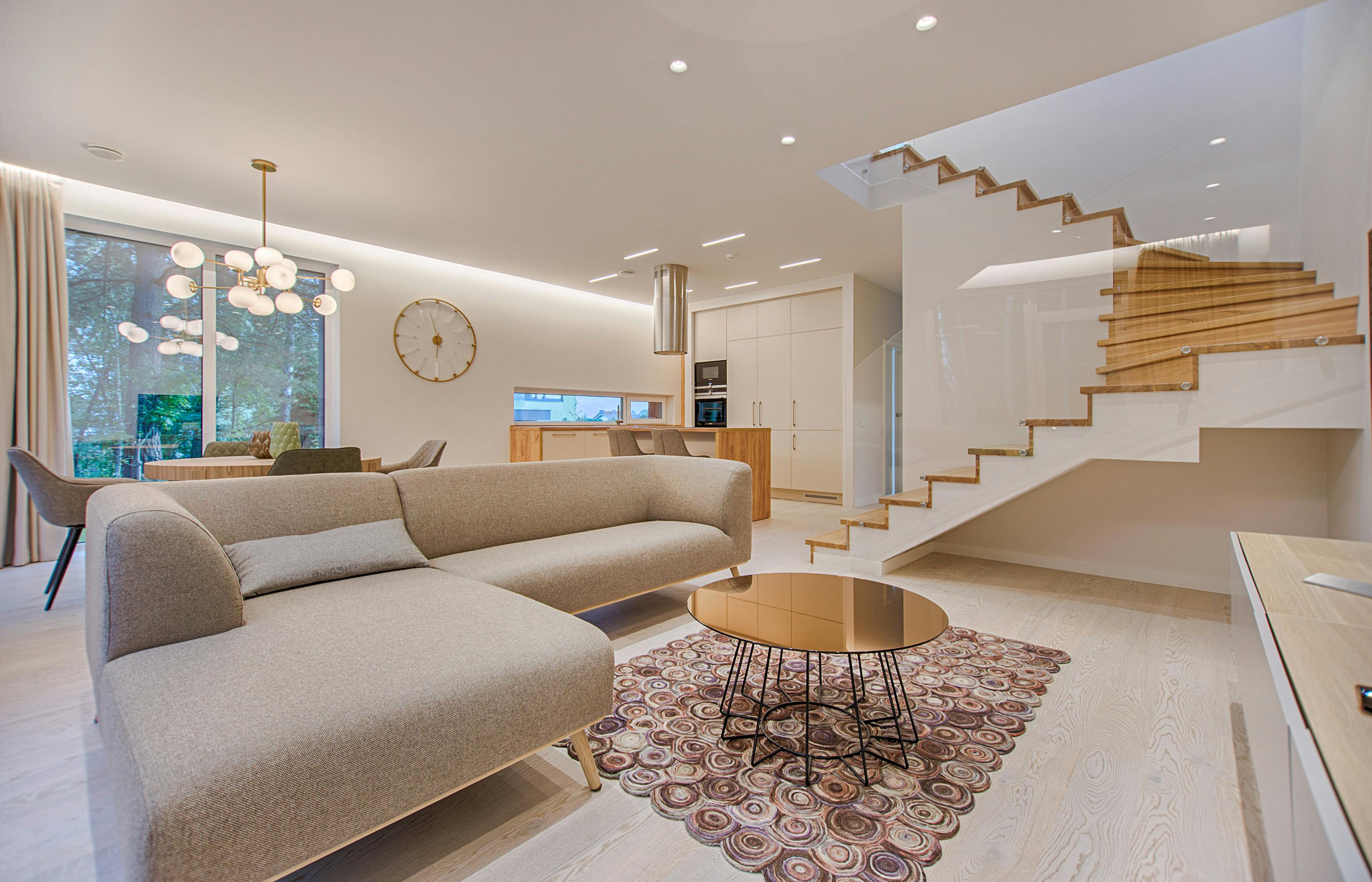
What Is the Cost of Custom Furniture in Delhi?
There is no single price for custom furniture because each project is made according to specific measurements and requirements. A simple shelf and a full-height fitted wardrobe require different materials, labour and installation time. Similarly, a basic TV unit costs differently from a design featuring concealed storage, decorative panels and integrated lighting.
The most reliable way to estimate your budget is to prepare a furniture list, confirm measurements, select materials and request a detailed quotation. If you are furnishing an entire property, you can also coordinate furniture planning with your home interior design project.
Estimated Custom Furniture Price Guide
The following table explains common custom furniture categories and the main factors that influence their costs. Actual prices should be confirmed after measurements and material selection.
| Furniture Type | Key Cost Factors | What to Specify in the Quote |
|---|---|---|
| Custom wardrobe | Dimensions, internal layout, shutters, finish and accessories | Width, height, depth, board type, hinges and drawer fittings |
| Custom bed | Bed size, headboard design, upholstery and storage | Frame material, storage mechanism, finish and mattress size |
| TV unit | Unit length, wall panels, drawers and cable management | Cabinet dimensions, finish, shelves and electrical provisions |
| Modular kitchen cabinets | Layout, cabinet area, shutters, countertop and hardware | Cabinet measurements, carcass material, accessories and installation |
| Study table or work desk | Table size, drawers, cable access and storage | Dimensions, worktop material, support structure and finish |
| Custom office workstation | Number of workstations, layout, partitions and cable management | Quantity, dimensions, board specifications and installation scope |
| Custom shoe cabinet | Capacity, ventilation, shutter type and available space | Dimensions, number of shelves, finish and ventilation details |
For an accurate estimate, share the furniture measurements, reference images and preferred material specifications with your furniture contractor before finalising the budget.
Factors That Affect Custom Furniture Cost in Delhi
1. Size and Dimensions
Furniture size is one of the primary cost factors. Larger wardrobes, longer TV units and full-wall storage systems generally require more material and labour. Irregular walls, sloping ceilings and awkward corners may also require additional measurement and fabrication work.
Accurate measurements are especially important for fitted furniture in apartments, where every centimetre of usable storage can matter.
2. Material Selection
The material used for the frame, cabinet body, shelves and shutters affects durability, appearance and price. Common options include plywood, MDF, particle board and solid wood. Each has different properties and suitable applications.
- Plywood: Commonly used for cabinets and fitted furniture, with performance depending on grade, construction and exposure conditions.
- MDF: Often selected for smooth surfaces, painted finishes and certain decorative applications.
- Particle board: Frequently used in budget-conscious furniture and modular systems, depending on the intended use and moisture exposure.
- Solid wood: Offers a natural appearance but varies significantly in cost, weight, maintenance and availability.
Ask for the exact material grade and thickness instead of accepting a quotation that simply says “wood” or “plywood.”
3. Laminate, Veneer, Paint and Other Finishes
The exterior finish contributes to the overall appearance and maintenance requirements of custom furniture. Standard laminates are often considered for practical everyday use, while veneer, painted finishes, textured panels and specialised decorative surfaces may increase the project cost.
Compare finish samples in the actual room lighting. Also confirm whether the quotation includes edge banding, polishing, surface preparation and finishing on visible internal surfaces.
4. Hardware and Storage Accessories
Hinges, drawer channels, handles, lift-up mechanisms, pull-out baskets and sliding systems can make a noticeable difference to both cost and daily convenience. Hardware quality is particularly important for frequently used wardrobes, kitchen cabinets and office storage.
Specify the brand or grade, soft-close requirements, load capacity and warranty wherever applicable. Confirm whether accessories shown in the design images are included in the quotation.
5. Design Complexity
Straightforward furniture with standard dimensions is generally easier to manufacture than furniture featuring curved edges, concealed compartments, intricate patterns, unusual shapes or integrated lighting. Complex designs may require additional detailing, skilled labour and installation time.
6. Installation and Site Conditions
The cost can also depend on floor access, lift availability, delivery distance, wall conditions, electrical points and the need for on-site adjustments. Confirm whether transportation, installation, drilling, debris removal and final finishing are included.
Custom Furniture Costs for Different Rooms
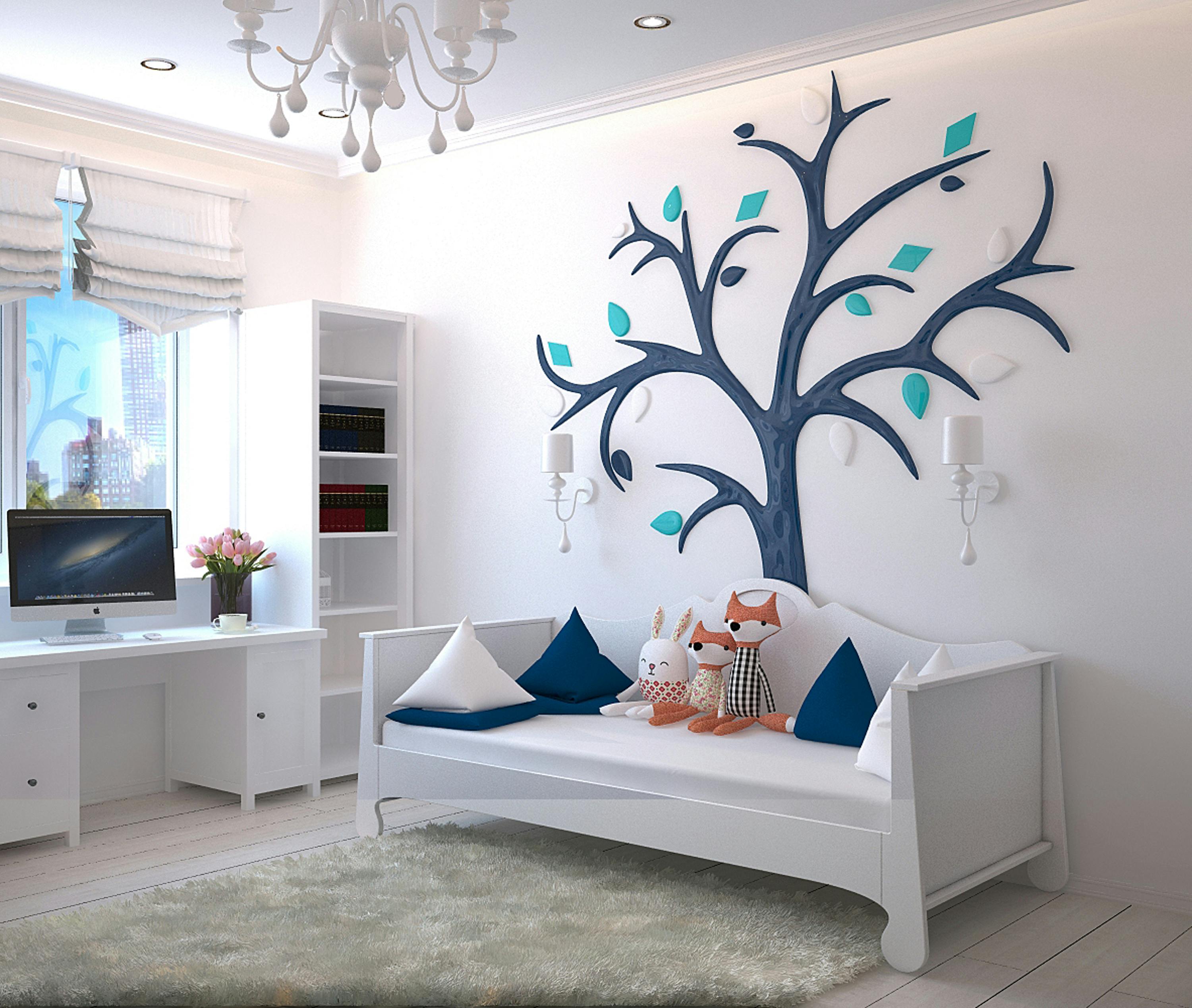
Bedroom Furniture
Bedroom furniture may include a bed, wardrobe, bedside tables, dresser and storage bench. The overall budget depends on how many pieces you need and whether they are freestanding or fitted.
A wardrobe with internal drawers, hanging sections, loft storage and specialised accessories will require more planning than a basic cabinet. If space is limited, consider combining storage functions and using furniture designed to fit the room precisely.
Living Room Furniture
Living room furniture can include TV units, display cabinets, bookshelves, console tables and wall-mounted storage. A simple cabinet may be sufficient for a minimal interior, while a full-height feature wall with concealed storage requires more material and installation work.
Plan cable routing, ventilation for electronic equipment and access to electrical sockets before fabrication begins.
Kitchen Furniture
Kitchen furniture costs depend on the layout, number of cabinets, shutter material, countertop, internal accessories and hardware. Corner units, tall pantry cabinets and specialised pull-outs may add to the budget.
Review your storage requirements and appliance dimensions before ordering. Explore modular kitchen design and planning to understand how cabinetry can be coordinated with the rest of your interior.
Home Office and Study Furniture
A custom desk, wall shelves, filing storage and cable-management features can make a compact workspace more functional. The design should account for chair clearance, monitor placement, lighting and convenient access to sockets.
Businesses planning multiple workstations can also review modular office furniture in Dwarka for ideas on coordinating work surfaces and storage.
Custom Furniture vs Ready-Made Furniture
Both custom and ready-made furniture can be suitable choices. The right option depends on your space, design preferences, delivery timeline and budget.
| Comparison | Custom Furniture | Ready-Made Furniture |
|---|---|---|
| Dimensions | Made to suit specified measurements | Available in standard sizes |
| Design | Can be tailored to your preferred layout and finish | Limited to available designs and configurations |
| Storage | Internal compartments can be planned for specific needs | Storage arrangement is usually fixed |
| Delivery | Requires design approval, fabrication and installation | May be available for quicker delivery, depending on stock |
| Budget | Depends on specifications, labour and finish | Depends on product, brand and material |
Custom furniture can be particularly useful for alcoves, compact apartments and unusual room layouts. Ready-made pieces may be more practical when standard dimensions work well and quick delivery is a priority.
How to Plan a Custom Furniture Budget
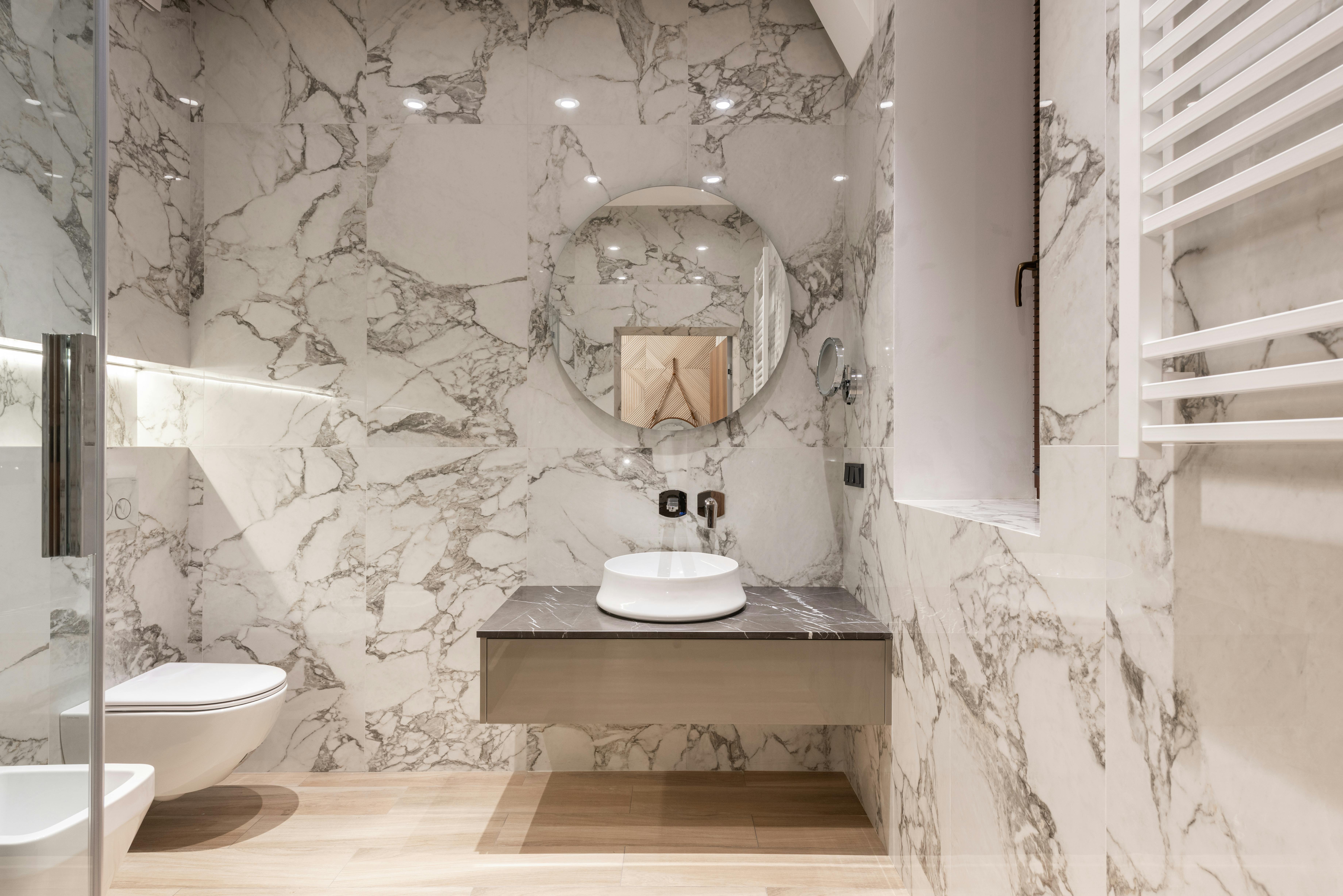
A clear plan helps reduce unexpected expenses and makes it easier to compare quotations from different contractors.
- Prepare a furniture list: List every item required for each room, including wardrobes, beds, cabinets, shelves and desks.
- Measure the space: Record wall dimensions, ceiling height, door openings, windows, sockets and other site constraints.
- Set material priorities: Decide where you need durable materials and quality hardware, and where simpler specifications may be suitable.
- Choose the finish: Select laminates, veneer, paint, handles and other visible details before requesting the final quotation.
- Approve drawings: Review dimensions, shutter openings, shelves, drawers and clearances before fabrication starts.
- Compare itemised quotations: Check that each contractor has quoted for the same dimensions, materials, hardware and installation scope.
- Keep a contingency: Reserve part of your budget for unforeseen site adjustments or changes that you approve during the project.
If your furniture is part of a larger renovation, coordinate fabrication with electrical work, flooring, painting and other interior activities. This helps avoid rework and scheduling conflicts. You can also review the checklist before hiring an interior contractor when evaluating service providers.
How to Reduce Custom Furniture Costs Without Compromising Functionality
- Keep the design practical: Avoid unnecessary decorative elements and complicated shapes if they do not improve functionality.
- Use standard dimensions where possible: Standardised modules may reduce material waste and fabrication complexity.
- Prioritise frequently used hardware: Invest in reliable hinges and drawer systems for furniture used every day.
- Choose finishes strategically: Use cost-effective finishes for less visible areas and reserve premium finishes for focal points.
- Plan storage before fabrication: The right shelf heights and drawer sizes help prevent expensive changes later.
- Finalise the design early: Changes after material cutting or fabrication has started can increase both cost and completion time.
- Compare equivalent quotations: A lower price may reflect different board grades, thinner materials, fewer accessories or excluded installation charges.
Cost reduction should focus on unnecessary complexity rather than removing essential structural support or choosing unsuitable materials for moisture-prone areas.
What Should a Custom Furniture Quotation Include?
Before confirming an order, request a written quotation that clearly identifies the work being delivered. A useful quotation should include:
- Furniture item names and quantities.
- Final dimensions and approved drawings.
- Board material, grade and thickness.
- Finish type, colour and surface treatment.
- Hardware specifications and included accessories.
- Fabrication, delivery and installation charges.
- Applicable taxes and any exclusions.
- Expected production and installation timeline.
- Payment milestones and change-order terms.
- Warranty details and after-installation support.
Ask the contractor to explain any items listed as provisional or excluded. A detailed quotation makes it easier to control the budget and reduces the risk of disagreements during installation.
Choosing a Custom Furniture Contractor in Delhi
The right contractor should understand your measurements, explain material options and provide a clear scope of work. Review completed projects and check whether the furniture details, finish quality and installation standards match your expectations.
Before placing an order, consider these questions:
- Can the contractor provide drawings and detailed measurements?
- Are the quoted materials and hardware clearly specified?
- Can you review physical finish samples?
- Are fabrication, transport and installation included?
- How are design changes and additional work charged?
- What warranty or service support is available?
For projects that involve multiple rooms or coordinated interiors, working with a team that understands the complete space can help align furniture dimensions, finishes and installation schedules.
Visit Dwarka Interiors to explore interior design services, or use the contact page to discuss your project requirements.
Frequently Asked Questions About Custom Furniture Cost in Delhi
1. What is the cost of custom furniture in Delhi?
The cost depends on the furniture type, dimensions, material grade, finish, hardware and installation requirements. Share measurements and specifications with a contractor to obtain an accurate, itemised quotation.
2. Is custom furniture more expensive than ready-made furniture?
Not in every case. Custom furniture may cost more when it includes premium materials or complex designs, but it can provide better space utilisation and a more suitable layout. Ready-made furniture may be more economical when standard sizes meet your needs.
3. Which material is best for custom wardrobes?
The suitable material depends on your budget, intended use, moisture exposure and preferred finish. Compare the grade, thickness, edge treatment and hardware specifications rather than choosing solely by material name.
4. How long does custom furniture take to complete?
The timeline varies according to the number of items, design complexity, material availability, fabrication workload and site readiness. Ask for a project schedule that separates design approval, fabrication, delivery and installation.
5. Can custom furniture be made for small apartments?
Yes. Made-to-measure wardrobes, wall-mounted storage, compact desks and multi-purpose furniture can help use limited space efficiently. Accurate measurements and careful planning are essential.
6. Does a custom furniture quotation include installation?
It depends on the contractor. Confirm whether delivery, assembly, wall fixing, installation, finishing and site cleanup are included before approving the quotation.
7. How can I get an accurate custom furniture estimate?
Prepare a room-wise furniture list, share measurements and reference images, select preferred materials and request a written quotation with itemised costs. Final pricing should be based on the approved design and actual site requirements.
Planning Custom Furniture for Your Delhi Home or Office?
Start with your room dimensions, storage requirements and preferred design style. Comparing material specifications and itemised quotations will help you plan your custom furniture budget with greater clarity.
Explore home interior design services, review modular office furniture options, or contact Dwarka Interiors to discuss your interior project.